💿 Discography
📖 Biography
On January 28, 2020, Hawái was playing on repeat in the speakers of a Tokyo gym, on the phone of a teenager in Berlin, and at a quinceañera party in Guadalajara. It wasn't a coincidence. Maluma had achieved what few Latin artists have: turning a song into a cultural phenomenon without needing to translate it. And he did it with a chorus that, years later, remains an anthem: "You stopped loving me when I loved you the most". Three verses that encapsulate universal pain with the precision of a scalpel.
Juan Luis Londoño —Maluma to the world— wasn't born a star. In Medellín, in the late 90s, he was just another kid who dreamed of being a soccer player. Until a ball broke his nose in a school game and his mother, alarmed, forbade him from playing anymore. "It was the best injury of my life," he confessed years later in an interview. At 15, he composed his first song in his bathroom, recording it with the microphone of a Nokia phone. There were no studios, no producers, no million-dollar contracts. Just a teenager with an obsession: proving that reggaeton could be more than just rhythm and explicit lyrics.
From Medellín to the World: The Strategy That No One Saw ComingMaluma's leap to fame wasn't the result of chance. While other artists were betting on quick success with disposable songs, he built his career like an architect: brick by brick, song by song. In 2010, when he released Farandulera, Colombian reggaeton was still a marginal genre in its own country. But he already intuited something that others would take years to understand: the public didn't just want perreo; they wanted stories. And he told them with a mix of crudeness and melancholy that hooked.
His first big hit came in 2014 with La temperatura, a song that made it onto radios across the continent. But it was Felices los 4 (2017) that changed everything. The song, with its video in three versions —romantic, sensual, and dramatic—, proved that Maluma understood the power of visual narratives. While other artists were content with a single clip, he created a trilogy that multiplied the impact. The result: 2.5 billion views on YouTube and a number one spot in 14 countries. "It's not luck," he said in a press conference. "It's work, study, and understanding that the public deserves more than just a catchy chorus".
What came next was an avalanche: Corazón with Nego do Borel, Créeme with Karol G, La respuesta with Marc Anthony. Each collaboration was a statement of intent. It wasn't just about adding famous names to his discography; it was a way of building bridges between genres, generations, and geographies. When in 2019 he released Medellín with Madonna, many saw it as just an experiment. But Maluma had a clear message: reggaeton was no longer a niche genre; it was a universal language. "I don't want to be seen as the Latin artist who collaborates with Madonna," he declared. "I want to be seen as an artist who can make music with anyone, without losing his essence".
The Maluma Style: More Than Music, a BrandThere's something in Maluma's singing style that makes him instantly recognizable. It's not the power of his voice —which isn't operatic—, nor the complexity of his melodies. It's his ability to convey emotions with a naturalness that seems improvised, but is actually meticulously calculated. Listen to Borró cassette and you'll notice how he doses out the drama; in HP, on the other hand, he unleashes phrases with the aggressiveness of a hip-hop MC. He's a chameleon who adapts to the rhythm, but always leaves his mark.
His public image is another of his successes. While other artists in the genre fall into the stereotypes of ostentation —jewels, cars, women—, Maluma has built a more sophisticated character. He dresses elegantly, but without losing his street touch; he talks about love and heartbreak with the same intensity as he addresses social issues. In 2021, during the virtual concert Papi Juancho Live, he dedicated a song to the victims of violence in Colombia. It wasn't an empty gesture: days later, he announced a million-dollar donation to social reintegration programs. "Art cannot be alien to what happens on the street," he said. And he proved it.
But if there's something that defines Maluma, it's his relationship with social media. He's not an artist who uses Instagram to promote his songs; he's a born content creator. His stories are a reality show in real-time: from recording sessions to intimate moments with his family. In 2020, during the lockdown, he launched #MalumaEnCasa, a series of live streams where he cooked, sang, and even gave fitness advice. It wasn't marketing; it was connection. And the public appreciated it: in the midst of the pandemic, Hawái became the most listened-to song on Spotify Spain for weeks.
The Legacy: The King of Reggaeton or Something More?Saying that Maluma is "the Colombian reggaeton artist who triumphed in the 2010s" is an understatement. It's like defining Picasso as "the painter of nice paintings". Maluma didn't just dominate a genre; he transformed it. Before him, reggaeton was seen as music for parties, not for awards. Today, his songs play at the Grammys, the Billboards, and even on the soundtrack of Hollywood movies. Hawái was included on the list of the 500 best songs of all time by Rolling Stone in Spanish. It's no small feat.
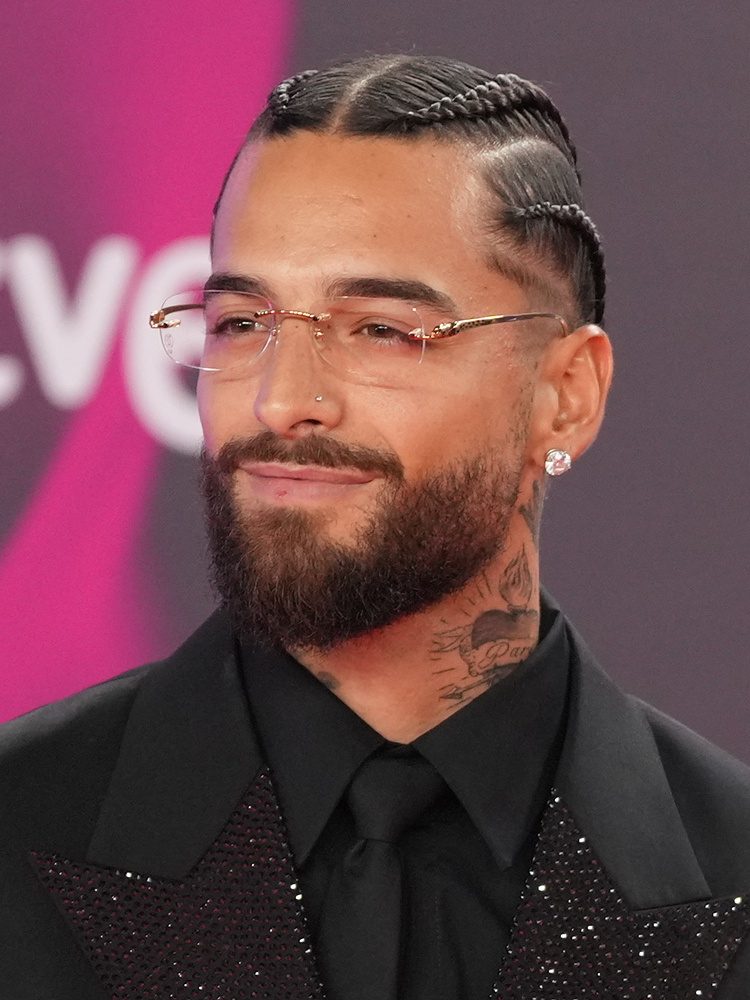
But perhaps his greatest contribution is having demonstrated that global success doesn't require renouncing one's roots. While other Latin artists move to Miami or Los Angeles to "internationalize," Maluma remains living between Medellín and Bogotá. "My accent, my way of speaking, my essence, everything comes from there," he said in an interview. And it shows. In 11:11, his latest album, there are songs that sound like neighborhood, street, Colombia. But there are also ballads that could be signed by Ed Sheeran or The Weeknd. That duality —the local and the global— is his trademark.
What's next for Maluma? If he's proven anything, it's that he doesn't conform. In 2023, he announced that he wanted to venture into cinema. "I want to be like Will Smith," he joked in a podcast. But no one doubts that he'll achieve it. Because Maluma is not just a singer; he's a cultural phenomenon who has understood something fundamental: in the era of social media and ephemeral content, what endures is not the hits, but the stories. And he, from that bathroom in Medellín, has been a master at telling them.
In the end, perhaps the question isn't what Maluma has done for reggaeton, but what reggaeton —and music in general— will do without him. Because when an artist manages to make a song in Spanish play in a karaoke bar in Seoul or at a wedding in Dubai, he's not creating hits; he's creating collective memory. And that, at least in music, is the closest thing to immortality.