💿 Discography



📖 Biography
On September 16, 2015, Ginza was playing on radios across the planet. It wasn't just another hit: it was proof that Medellín could dictate the global rhythm. J Balvin, with his laid‑back flow and that voice that seems carved from smoke, achieved something few Latin artists had managed: bringing reggaeton to the charts without translating a single line into English. While others bet on fusions with pop or electronic to "cruzar al mainstream", he did the exact opposite: he polished the genre until it became an export product without losing its essence. And he did it from the periphery, with a discourse that never renounced his roots.
Before becoming the "Prince of Reggaeton," José Álvaro Osorio Balvín (Medellín, 1985) was washing dishes at a restaurant in Oklahoma. It wasn't a rebellious‑artist whim: he needed to master English to understand the lyrics of the rappers he idolized. Those months washing dishes —and the years before that singing in bars in his city— taught him something many forget: success is not a matter of luck, but of resilience. When 6 AM (2014) exploded online, he had already spent a decade writing songs on napkins and recording demos with borrowed equipment. The industry was slow to believe in him, but the public was not.
The Balvin Method: how to sell a genre without selling the soulThere are two types of global artists: those who adapt their music to markets and those who force markets to adapt to them. J Balvin belongs to the latter group. His strategy was not to soften reggaeton so it sounded "acceptable" in Europe or the United States, but to refine it until it became a universal language. Ginza didn't succeed by chance: it was a track with a hypnotic beat, a catchy hook, and flawless production, but also with lyrics that spoke of partying without descending into vulgarity. That made the difference.
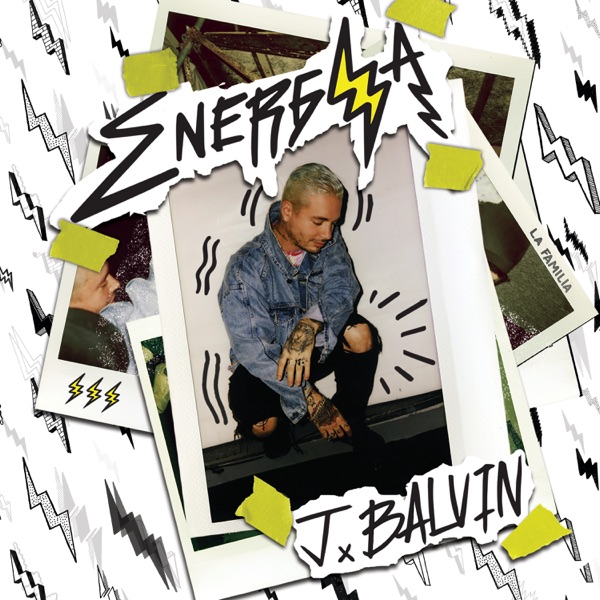
His discography is a manual on how to evolve without betraying oneself. From La Familia (2013) to Colores (2020), each album has been a controlled reinvention. The latter, in particular, was a risky bet: a conceptual record where each song was named after a color and the visual aesthetic —from music videos to merchandise— followed a minimalist palette. It was not just music; it was an experience. And it worked. Colores not only topped the charts, but also proved that reggaeton could be art without ceasing to be commercial.
But his greatest achievement may be having turned the genre into a cultural bridge. Collaborations like Mi Gente with Beyoncé or I Like It with Cardi B were not simple features: they were political statements. At a time when reggaeton was still viewed with suspicion by the Anglo‑American industry, Balvin placed it at the center of the board. And he did it without asking permission.
The B‑Side: anxiety, politics, and the weight of being a symbolBehind the designer suits and stadium tours, J Balvin has been one of the most candid artists about the costs of fame. In 2019, he canceled a European tour due to a panic attack. It wasn't a corporate statement: it was a public confession. "Anxiety is eating me alive," he said in an interview. In a genre where toxic masculinity still looms, his honesty was a slap on the table. Suddenly, the same guy who filled stadiums with Ay Vamos was talking about therapy and medication. That didn't make him any less "duro"; it made him more human.
That vulnerability was captured in The Boy from Medellín (2021), the documentary Amazon Prime premiered about his return to Colombia for a concert amid a social crisis. The film is not just a behind‑the‑scenes look: it is a raw portrait of an artist caught between his role as an idol and his condition as a citizen. While the country burned with protests against the government, Balvin had to decide whether to cancel the show —and disappoint his fans— or go on and appear insensitive. There are no heroes in that story, only a man trying to navigate an impossible moment. The documentary offers no easy answers, and that is what makes it valuable.
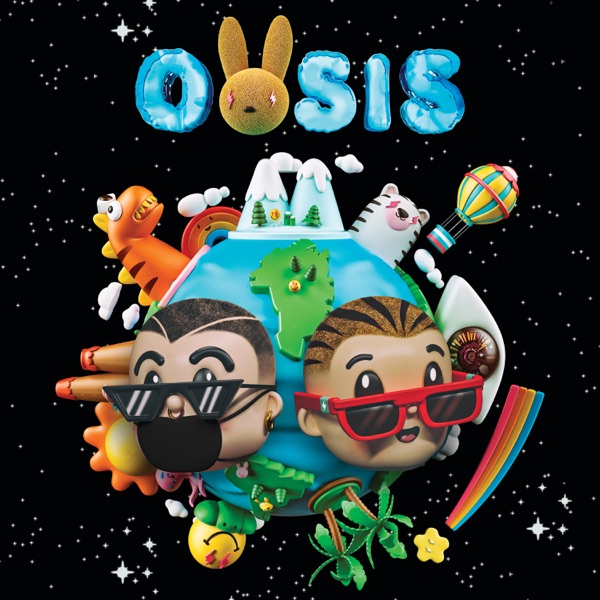
He also has a producer side. Together with Bad Bunny and Tainy, he created YHLQMDLG (2020), an album that redefined urban sound. It wasn't just another collaboration: it was a manifesto. In a genre saturated with formulas, the album showed that reggaeton could be experimental without losing its essence. Songs like Safaera or Yo Perreo Sola are examples of how to innovate without betraying the audience.
What remains of J Balvin?Today, when reggaeton dominates the global charts, it's easy to forget that there was a time when the genre was marginal. Balvin wasn't the first to bring it to the mainstream —Daddy Yankee, Don Omar and others paved the way—, but he was the one who turned it into an unapologetic mass phenomenon. His legacy lies not only in the numbers (over 50 million records sold, tours sold out in minutes, collaborations with the biggest names in pop), but in having shown that Latin music doesn't need to apologize for being what it is.
That said, his greatest merit may be another. In an industry that rewards youth and novelty, Balvin has managed to stay relevant without slipping into nostalgia or self‑parody. He remains an evolving artist, even though he no longer has to prove anything. And that, in the world of reggaeton —where hits are often fleeting—, is almost a miracle.
The next chapter is yet to be written. But one thing is certain: when the history of the genre is penned, his name will not appear in a footnote. It will be at the center, in capital letters.