
💿 Discography
📖 Biography
In the neighborhood of Cornellà de Llobregat, where it all began, brothers David and José Manuel Muñoz, born in 1974 and 1976 respectively, found their voice. And not only theirs, but that of a generation. With their band, Estopa, they achieved something few can claim: conquering Spanish-language music with an authenticity that broke molds and barriers. The name "Estopa" refers to the work cloth their working‑class parents wore, a detail that speaks of their roots and their connection to the land and the people.
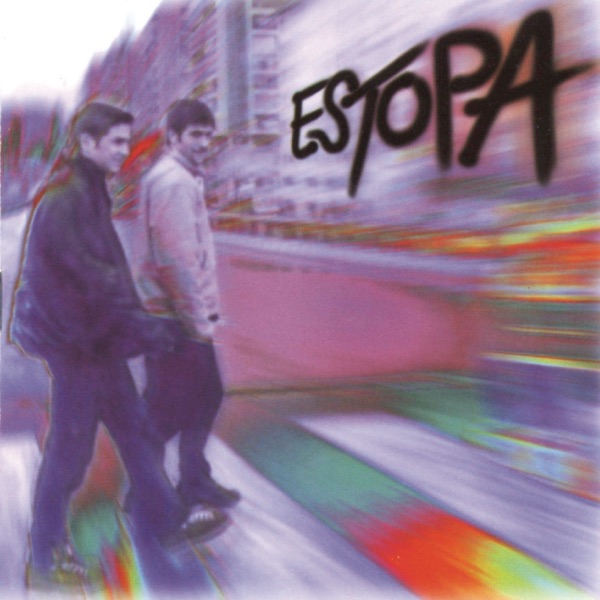
I remember the first time I heard their debut album, Estopa, released in 1999. It felt like a breath of fresh air in the music scene of the time. The driving rumba, the lyrics that spoke of the neighborhood, love and the street in colloquial, direct Spanish, and David Muñoz's raspy voice, all connected instantly with a huge audience. Songs like Partiendo la pana and Vino Tinto became instant classics of Spanish music, and their influence is still felt. The authenticity and honesty in their lyrics and melodies were the key to their success.
What impresses me most about Estopa is their ability to stay true to their style without slipping into nostalgia or repetition. With more than twenty‑five years of career, they have shown that authenticity is the best calling card. They have not made concessions to current fashions, yet they continue to fill massive venues in Spain and Latin America. Their music has not aged; on the contrary, it seems to have matured like fine wine. Estopa is an example of how dedication to oneself and to one's art can lead to lasting, genuine success.
Personally, I think Estopa's secret lies in their connection with people. Their songs speak of real stories, of universal feelings, and that is something listeners can feel and identify with. They don't try to be something they're not; they are authentic, and that authenticity is what makes them so beloved by their audience. In an era where music is more fragmented than ever, Estopa remains a benchmark, a reminder that music can be both popular and authentic.