
💿 Discography
📖 Biography
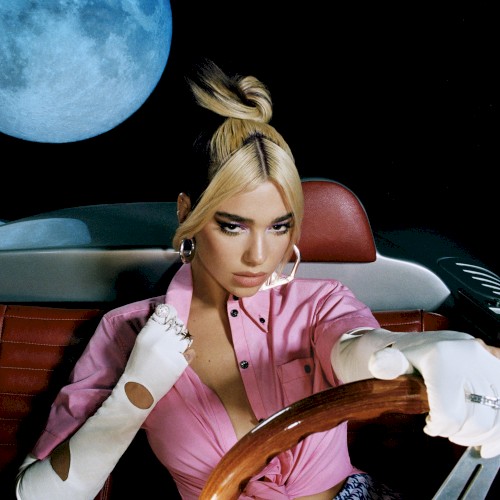
While people were chanting “New Rules” in London bars, a 15‑year‑old had already left the classroom to pursue a musical career that, at the time, seemed a distant dream. Dua Lipa, born in 1995 to Albanian‑Kosovar parents who had landed in the United Kingdom, grew up between the lights of London and the atmosphere of Pristina. The early years were marked by rejections and closed doors, until she signed with Warner Music in 2014, opening the door to what is now recognized as one of the most surprising trajectories in British pop.
Her self‑titled album, released in 2017, made its mark with tracks such as New Rules, which broke records by becoming the first solo‑female artist’s song to top the UK chart since 2015. But the real turning point came in 2020, when the pandemic locked the world down and Future Nostalgia burst onto the scene with a disco‑dance energy that felt like a breath of fresh air. Songs like Levitating, Don't Start Now and Physical not only dominated the charts, but also redefined the sound of a generation seeking escapism. In my view, the transition between her debut and this second record constitutes one of the most notable evolutions in contemporary pop.
Recognition didn’t take long to arrive: in 2021, Dua Lipa won three Grammys, including Best Pop Album, and received the Brit Award for International Female Solo Artist. Beyond music, her global it‑girl image and her foray into the podcast world have made her an omnipresent figure. In 2024, Radical Optimism once again proved she continues to set trends, cementing her position as one of the planet’s most influential pop artists.