💿 Discography
📖 Biography
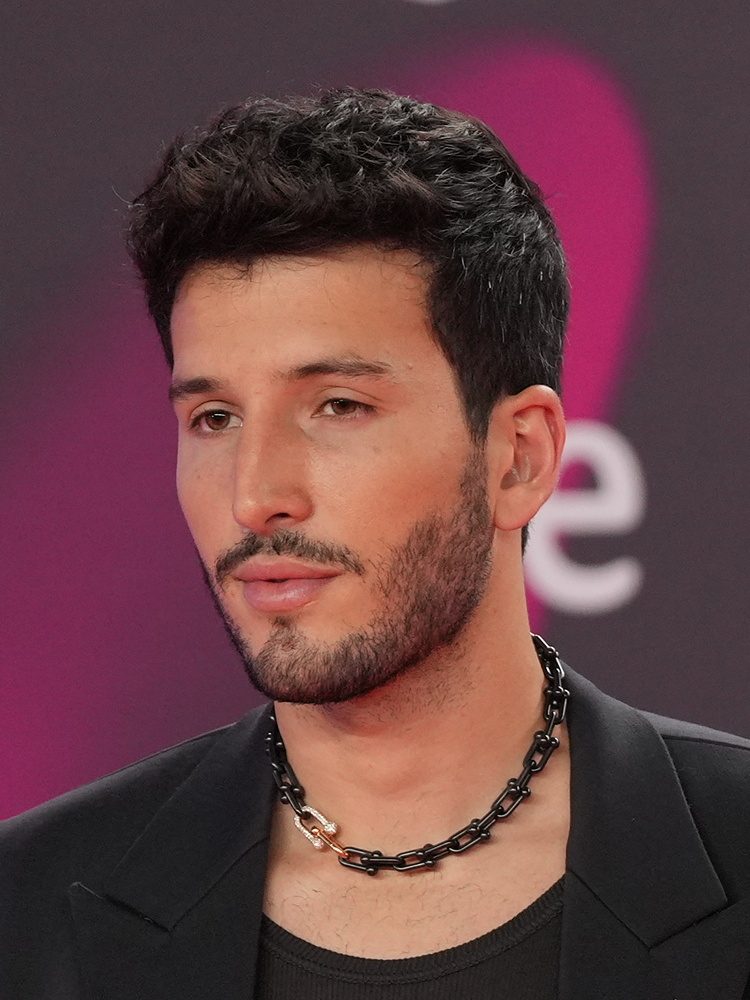
The first time I heard Robarte un beso in a Bogotá taxi, the driver cranked up the volume without asking. He wasn’t a declared fan of Sebastián Yatra — in fact, he muttered something about "music for teenagers" — but he hummed the entire chorus. That’s where the magic is: Yatra makes even skeptics sing his songs without realizing it. He’s not just an artist; he’s a phenomenon that has redefined romantic pop in Spanish, proving that you can be commercial without falling into the predictable.
Born in Medellín in 1994, Sebastián Obando Giraldo — his full name, which almost nobody uses — entered the music world with a clear advantage: he understood the language of young people without forcing it. His debut in 2016 with Traicionera wasn’t an immediate hit, but it was the first hint of something different. While other artists were betting on pure reggaetón or tearful ballads, Yatra mixed acoustic guitars with electronic beats, lyrics that spoke of love without sentimentality, and a voice that, though not technical, conveyed unusual warmth. "He’s not the best singer in the world," a producer in Miami once told me, "but he’s the one who makes people feel the best."
The formula nobody expected (and everyone copied)What started as a risky bet — romantic pop in an era dominated by urban music — became a model to follow. Songs like Un año (with Myke Towers) or Tacones rojos not only topped the charts; they rewrote the genre’s rules. The secret? Yatra doesn’t compete with reggaetón; he embraces it. His collaborations with urban artists (from Daddy Yankee to Rauw Alejandro) sound organic, as if pop and trap had always danced together. "He’s the only one who can make a ballad with a dembow and not sound like a failed experiment," music critic Juan Carlos Garay said in an interview.
But his greatest achievement isn’t the numbers — though he has them: millions of streams, sold‑out tours, awards — but the ability to connect with audiences ranging from teenagers to adults who swore they wouldn’t listen to "new music." Robarte un beso, his duet with Carlos Vives, is the perfect example. The song, which blends vallenato and pop, became a generational anthem without intending to. "We didn’t make it to be a hit," Yatra confessed in an interview with Billboard. "We made it because it came from our soul." And that’s the key: it works because it doesn’t sound calculated.
From Medellín to the Oscars: the leap nobody saw comingIf anyone doubted his global reach, 2023 made it clear. First, his collaboration with Taylor Swift on the soundtrack of Amsterdam — an English track, Safe with Me, that showcased his versatility. Then, his appearance at the Oscars performing Dos Oruguitas, the nominated song from Encanto. Seeing a Colombian romantic pop artist on the Academy stage, with Lin‑Manuel Miranda applauding in the audience, was a moment that transcended music. "It wasn’t the plan," Yatra admitted in a talk with Rolling Stone. "But sometimes life puts you in places you never imagined."
That same year, his Dharma World Tour sold out stadiums across Latin America and Europe, confirming what the numbers already said: Yatra is not a passing trend. He’s an artist who has achieved the hardest thing in the industry: reinventing himself without losing his essence. While others obsess over following trends, he adapts them to his style. "I don’t want to sound like everyone else," he said in an interview with El País. "I want others to sound like me."
The heartthrob who doesn’t act like oneIn an industry where image is everything, Yatra has handled his public persona with a naturalness that disarms. He’s not the typical "latin lover" from telenovelas; he’s a guy who jokes at himself on social media, deliberately dances poorly in videos, and isn’t afraid to show his vulnerable side. When he released Runaway with Jonas Brothers and Natti Natasha, many expected a frivolous track. Instead, the song — about heartbreak — became another hit, proving that his audience values authenticity over posturing.
His relationship with actress and singer Tini Stoessel has also been an example of how to handle fame without falling into scandal. Far from sensational headlines, the couple has built a narrative based on musical projects (like Bar) and everyday moments shared on social media. "We’re not perfect, but we like what we do," Tini said in an interview. Yatra, for his part, has avoided turning his private life into a spectacle. "I prefer people to talk about my music," he often says.
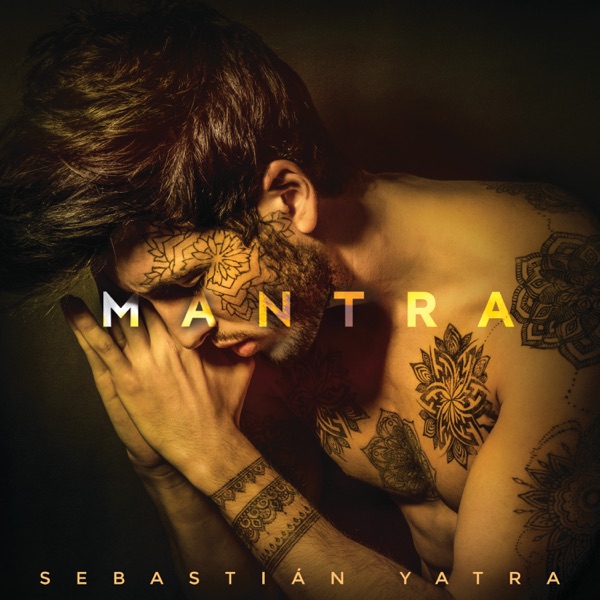
What’s next for Sebastián Yatra?At 30 years old, Yatra is at a pivotal moment in his career. He’s not a newcomer, but he’s not a veteran either. He has the experience to take risks and the freshness to keep connecting with new generations. His latest album, Dharma (2022), was a step forward in his sonic evolution, incorporating rock and electronic elements without losing his pop essence. "I want every album to sound like me, but also like something new," he explained in an interview with Shock.
What’s clear is that Sebastián Yatra no longer needs to prove anything. He’s built a solid career, with hits that transcend borders and a loyal fan base. But if anything defines him, it’s his ability to surprise. After all, who would have imagined that the Medellín kid who started by covering songs on YouTube would end up singing at the Oscars? "Music saved me," he confessed in an interview with People en Español. "And now I want to give back everything it gave me."
If anything his trajectory has taught us is that success isn’t about following formulas, but breaking them. And Sebastián Yatra, with his mix of talent, intuition, and authenticity, seems determined to keep doing just that.