💿 Discography
📖 Biography
On February 24, 1999, the Staples Center in Los Angeles became the epicenter of a cultural earthquake. Ricky Martin, wearing tight leather pants and a shirt unbuttoned to the navel, grabbed the microphone as if it were a trophy and shouted: "One, two, three, go!" The crowd went wild before the first chords of La copa de la vida rang out. It was not just a performance at the Grammys; it was the declaration of war of Latin pop against the Anglo-Saxon establishment. And he won.
Enrique Martín Morales —born in San Juan, Puerto Rico, in 1971— had been cooking that moment for years. By the age of twelve, he was already part of Menudo, the group that churned out teenage idols like churros. But Ricky was not just another product of the mold. While his bandmates stayed on the Latin circuit, he became obsessed with crossing borders. He learned English at a forced march, studied theater in New York, and slipped into Broadway with Les Misérables. By the time he released his first English album in 1999, he had been preparing for what was to come for a decade.
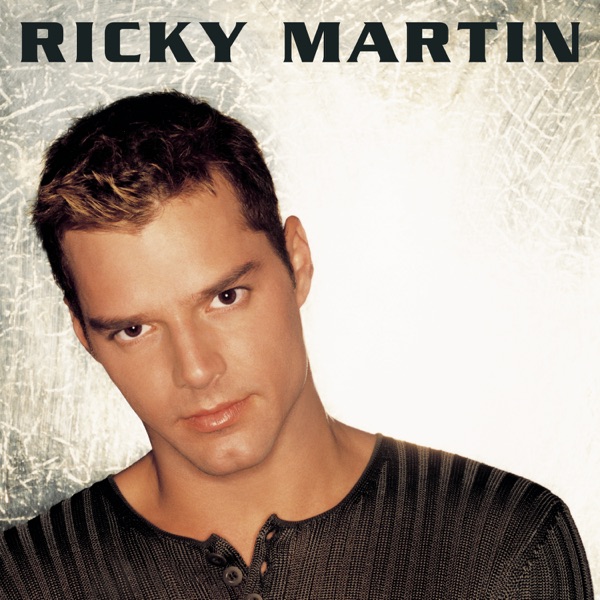
The album that blew up the charts (and prejudice)The album Ricky Martin (1999) was not a success: it was an invasion. Livin' la Vida Loca played in every bar, every car, every elevator on the planet. The song, with that guitar riff that feels like a whip and the hook that sticks to the brain like gum in a shoe, sold more than eight million copies in the United States alone. But what was truly revolutionary was not the sales numbers — which were also high — but the message: a Latin artist could dominate the Anglo charts without asking permission.
The impact was immediate. Overnight, record labels that had once looked at Spanish pop with condescension began signing any artist with an accent. Shakira, Jennifer Lopez, Marc Anthony and even Enrique Iglesias —who had been moving in the Latin circuit— found the doors open. The so-called "Latin explosion" was not an organic phenomenon: it was the result of years of Ricky Martin breaking glass ceilings with a glitter hammer.
The eponymous album sold 22 million copies worldwide. But beyond the figures, what remains is the image of a guy who, at 28, achieved what no one had before: made the world dance in Spanish without complexes. And he did it with a smile that seemed to say: "This is just the beginning".
From pop idol to activist: the weight of being Ricky MartinSuccess has a price, and in Ricky's case it was the pressure to maintain a perfect image. For years, tabloids speculated about his sexuality, and he dodged the topic with the elegance of a matador. Until 2010, when in a post on his website he dropped the bomb: "I am a lucky man. I am gay and I am proud".
It was not just any coming out. Ricky Martin was not an underground artist; he was a global superstar, the face of brands like Pepsi and the image of the perfect family on magazine covers. His statement was not only a personal relief but a reality check for an industry that still treated homosexuality as a taboo, especially in Latin culture. Overnight, he became a reference for millions of people who had not had a mirror to look into.
But Ricky did not stop at the gesture. He founded the Ricky Martin Foundation, an organization that fights human trafficking and defends LGBTQ+ rights. In 2016, he married Syrian artist Jwan Yosef, with whom he has two children. His private life, once a gossip topic, became an example of normality. Or at least, of what normality should be.
The legacy: more than a hit, a revolutionRicky Martin is not just the guy who sang Livin' la Vida Loca. He is the artist who proved that Latin pop could be universal without losing its essence. That an accent was not a limitation but an advantage. That Spanish music did not have to stay on the margins.
With over 60 million records sold, sold-out stadium tours, and a career spanning four decades, his place in music history is more than secured. But what really matters is the path he opened. Today, artists like Bad Bunny, Rosalía, or Karol G fill stadiums in the United States without needing to sing in English. And that, in large part, is thanks to a Puerto Rican who in 1999 decided the world was ready to dance in Spanish.
Was it coincidence? No. It was strategy, talent, and a pinch of madness. The same that keeps making, every time La copa de la vida plays, half the planet rise from their seats without hesitation.