💿 Discography
📖 Biography
On December 30, 2016, Camila Cabello posted a tweet that no one expected: "Today is my last show with Fifth Harmony." There were no preambles, no press releases, no leaks. Just that phrase, as blunt as a slammed door, and the silence that followed. Five years later, that silence had turned into 1.5 billion plays of Havana, a Latin Grammy on the shelf, and a career that no longer needed explanations. But how does one go from being "the one who left the group" to becoming one of the most recognizable pop artists in the world? The answer isn’t in the numbers—though she has them—, but in something harder to measure: the ability to make every song sound like a secret she can only tell you.
Karla Camila Cabello Estrabao was born in Cojímar, that fishing village in Cuba where Hemingway wrote The Old Man and the Sea. At five, her family moved to Miami, taking with them the accent, the island rhythms, and a voice that, years later, would break all molds. The X Factor was her first stage, but not the one that would define her. Those who saw her in those early shows remember something the judges didn’t see: that mix of shyness and boldness, that way of singing as if she were telling a gossip to a friend. "I wasn’t the best technical singer in the world," she admitted years later in an interview, "but I had something that isn’t taught: a desire to be heard."
From Fifth Harmony to stardom: the risk she paidLeaving Fifth Harmony was an earthquake in the industry. Not because the fact itself—groups break up—, but because of how she did it. No speeches, no public drama, just that tweet and the certainty that if she was wrong, there would be no safety net. "It scared me," she confessed in Rolling Stone. "But the fear of staying and asking myself 'what if…?' for a lifetime was worse."
The first single, Crying in the Club, sounded like a declaration of intent: pop with soul, lyrics about loneliness amid the party, that contradiction that would later become her hallmark. But it was Havana—with that catchy piano and the sample of And I Love Her by the Beatles— that changed everything. The song not only dominated the charts in 2017; it redefined what a global hit could be. It wasn’t reggaetón, nor pure pop, nor tropical: it was a blend that only worked because it sounded authentic. "I didn’t write it to be number one," Cabello said. "I wrote it because I missed Cuba and wanted people to dance like we did at my house."
And they did dance. Havana became that rare phenomenon: a hit that transcends genres, languages, and generations. You hear it in a Madrid club, in a Buenos Aires taxi, or on a TikTok of a teenager in Tokyo, and it works the same. It’s no coincidence that Spotify lists it among the most played songs on the platform. Nor that Señorita, her collaboration with Shawn Mendes, was number one in 65 countries. There’s something in the chemistry between the two— in that unresolved tension in the lyrics— that makes it addictive. "It’s not a love song," Mendes said in an interview. "It’s a song about wanting something you know you shouldn’t want." And that’s the trick: Camila has that ability to turn the forbidden into something that sounds like an anthem.
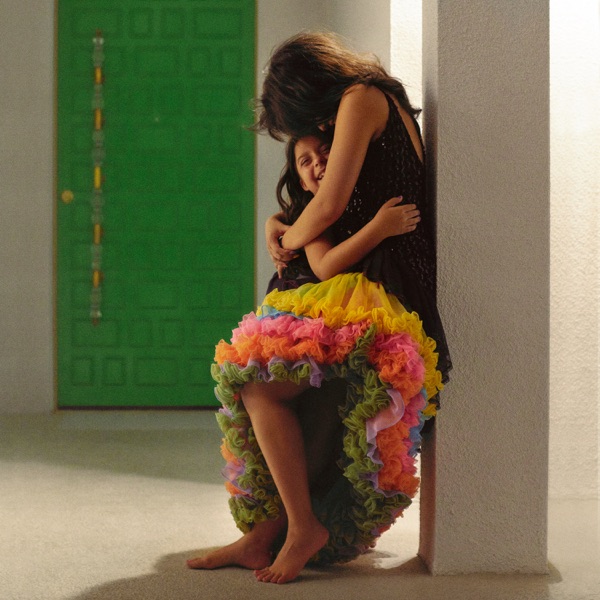
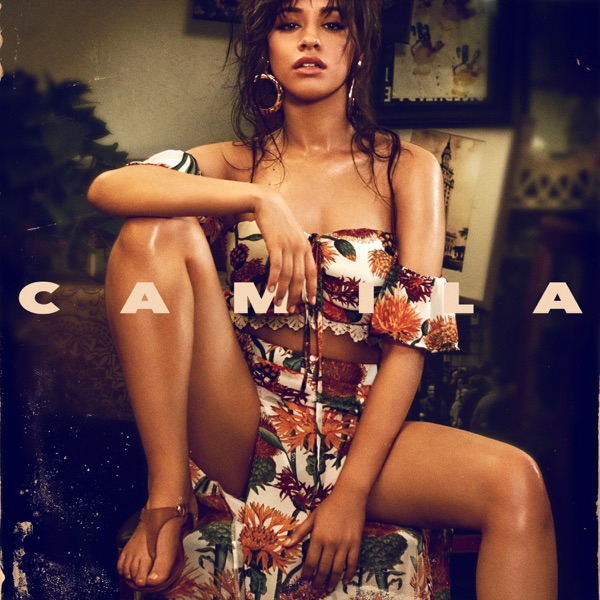
Familia: when pop wears rootsIf Camila (2018) was her breakout album and Romance (2019) her foray into the most romantic pop, Familia (2022) was her return home. Not to Cuba—though the album is full of nods—, but to that idea of family that goes beyond blood: friends, loves, roots you carry even if you don’t want to. "I wanted to make an album that sounded like my childhood," she explained. "With salsa, with bachata, with that organized chaos that is a house full of people talking at once."
And she did it. Familia is an album that sounds like a party, but also like nostalgia. It has the energy of Bam Bam (with Ed Sheeran), where reggaetón mixes with acoustic guitars without squealing. It has the intimacy of La Buena Vida, where Alejandro Sanz adds a touch of bolero to a song about heartbreak. And above all, it has Cabello’s voice: sometimes whispery, sometimes powerful, but always with that quality of making you feel she’s singing just to you. "She isn’t the most technical voice in the world," producer Mike Sabath says, "but she has something that can’t be manufactured: personality."
The album wasn’t a commercial juggernaut like her previous works, but it did demonstrate something important: Camila doesn’t need to follow formulas. She can make an album that sounds like a Cuban party one day and, the next, a heartbreaking ballad like Liar. That versatility is what sets her apart from other artists of her generation. "I don’t want to be boxed in," she said in an interview with Billboard. "If tomorrow I want to make a heavy‑metal album, I will. The important thing is that it sounds like me."
The future: what’s next for Camila?In 2024, Camila Cabello is not just a singer: she’s a cultural phenomenon. She’s performed at the Super Bowl, collaborated with Pharrell Williams, been the face of brands like Gucci, and filled stadiums without a recent hit. But the most interesting thing isn’t what she’s achieved, but how she’s achieved it: without following the rules of the game, but winning it anyway.
There’s something in her career that reminds of those artists who don’t fit any mold: like Shakira in the ’90s or like Rosalía today. She isn’t 100% Latin, nor 100% pop, nor even 100% American. She’s a mix of all that, and that’s why she connects with so many people. "They’ve always told me I have to choose," she said in an interview. "That I can’t be Cuban, Mexican, and American. But you know what? I am all those things. And my music is too."
What’s next is an unknown. She could return to more commercial pop, explore other genres, or surprise us with something no one expects. The only certainty is that whatever it is, it will sound like Camila: that voice that crossed borders without asking permission, that girl who one day decided she would tell her story herself, and no one else.
And that, in the end, is what makes her unique.