
💿 Discography


📖 Biography
On December 18, 1997, an album with a sepia-toned cover and a two-letter title—Más—found its way into players around the world. It wasn’t just any album: it was the confirmation that a 29-year-old from Madrid had achieved what no one else had before. With a flamenco guitar, a synthesizer, and a voice that oscillated between a whisper and a raw scream, Alejandro Sanz turned Spanish pop into a universal language. That night, in some bar in Buenos Aires or a Miami taxi, someone cried to "Corazón partío" without fully understanding why the words hurt so much.
Born in the Madrid neighborhood of Moratalaz in 1968, Sanz didn’t achieve success by chance. His father, a tablao musician, taught him his first guitar chords at seven, but it was his mother—a woman who recited Machado from memory—who instilled in him the power of words. That blend of flamenco roots and poetic sensitivity is evident in every lyric: when he sings, "Amiga mía, no sé qué decirte / si es que te quiero o es que te necesito," he isn’t just writing a song—he’s signing an emotional contract with whoever listens.
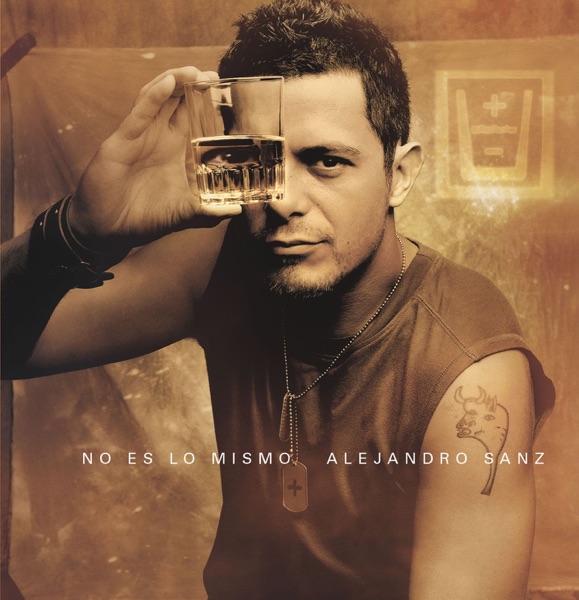
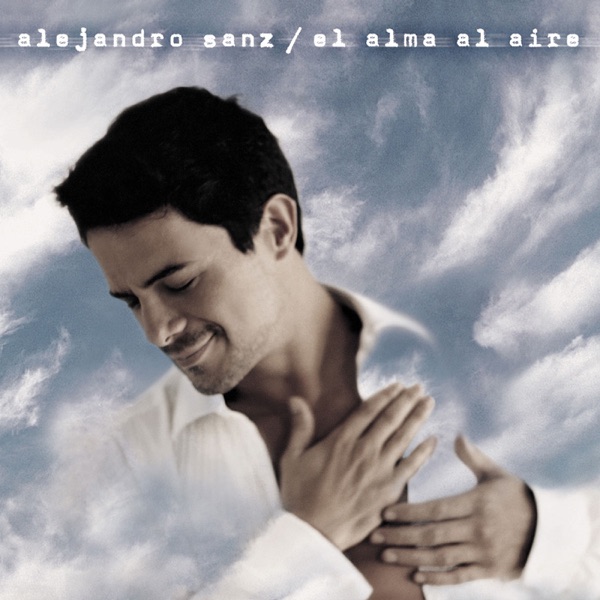
The Sound That Broke Borders (and Some Clichés)Saying Sanz "fuses pop and flamenco" is an understatement. What he does is riskier: he takes tradition—bulerías, tangos, soleás—and hurls it into the 21st century without a safety net. On El alma al aire (2000), the funk bass of "Cuando nadie me ve" collides with flamenco clapping as if they were two trains on the same track. On No es lo mismo (2003), the reggaeton of "Regálame la silla donde te esperé" sounds so natural it’s as if the genre had been waiting decades for someone to tame it. It’s not evolution—it’s instinct: Sanz senses where the wind is blowing and gets there first.
The numbers don’t lie, but sometimes they hide what truly matters. Nine Latin Grammys (an absolute record for a Spanish artist) and four American Grammys are impressive figures, but what’s truly astonishing is how those albums still resonate in 2025. "Quisiera ser" remains the soundtrack of teenage heartbreak, "Amiga mía" the song we’ve all dedicated to that friend who became something more, and "Corazón partío"—well, that’s the official anthem of disillusionment. These aren’t just songs; they’re auditory tattoos.
Lyrics That Hurt (And That’s Why We Love Them)There’s something about the way Sanz writes about love that sets him apart. It’s not the saccharine romanticism of the '80s or the cynical heartbreak of the 2000s. It’s something messier, more real. When he says, "Te lo juro por Dios, que aunque me muera de frío / no me verás con otra en brazos," he isn’t idealizing love—he’s acknowledging that it hurts, that it’s selfish, that sometimes it turns us into monsters. And strangely, that makes us feel less alone.
His collaborations are another measure of his influence. It’s one thing for Beyoncé to choose an artist for "Beautiful Liar," but quite another for her to do it with a Spanish singer. It’s no coincidence that Alicia Keys sought his voice for "Looking for Paradise" or that Nicky Jam—the king of reggaeton—wanted his touch on "No me compares." Sanz isn’t just a guest on those tracks; he’s the bridge that makes them possible. As Shakira put it in an interview: "Alejandro doesn’t sing in Spanish—he sings in human."
The Artist Who Refuses to Be a FossilThirty years after his debut album, Sanz remains an enigma. He’s not the typical veteran who repeats formulas or the artist who clings to the past. In 2020, with El disco, he dared to do something few singers of his generation allow themselves: reinvent. The album, partly produced by Venezuelan artist Arca (a key name in experimental electronic music), is a slap of modernity. Songs like "El trato" sound like the future but retain that Sanz essence: the broken voice, the lyrics that sting, the rhythm that hooks you even when you don’t want it to.
That said, one thing never changes: his obsession with live performances. An Alejandro Sanz concert isn’t a show—it’s group therapy. There are no giant screens or rehearsed choreographies. There’s just a guy with a guitar, a band that sounds like they’ve been playing together since the Pleistocene, and an audience that sings every lyric as if it were a prayer. In 2019, at Madrid’s WiZink Center, he closed with "Corazón partío," and the entire stadium—from the floor to the rafters—sang the final verses a cappella. It wasn’t the end of a concert; it was an exorcism.
The Legacy (And What’s Still to Come)Ask any Spanish artist under 40 who their reference is, and at some point, Sanz’s name will come up. Rosalía has cited him as an influence, C. Tangana sampled his voice in "Demasiadas mujeres," and even Bad Gyal—the queen of trap—admitted in an interview that "Corazón partío" is one of her favorite songs. This isn’t nostalgia; his music transcends generations. As he once said: "I don’t write songs to last—I write songs to hurt."
What comes next is a mystery. Sanz has hinted at a new album but hasn’t given anything away. The only certainty is that when it arrives, it won’t be what we expect. Because that’s his greatest talent: not giving you what you want, but what you need. And sometimes, what we need is for someone to remind us that love—that feeling that makes us feel alive and breaks our hearts in equal measure—is still worth it.
In the meantime, "Corazón partío" keeps playing somewhere in the world. And somewhere, someone is still crying to it.