💿 Discography
📖 Biography
Bristol, 1988. Three guys with more attitude than resources came together in a Stokes Croft basement to record something nobody expected: music that didn't sound like anything known. Robert Del Naja (3D), Grant Marshall (Daddy G), and Andrew Vowles (Mushroom) didn't know they were about to invent a genre, but they did. And they did it well.
Massive Attack wasn't born out of a master plan, but out of necessity. The city, with its mix of Caribbean, punk, and reggae cultures, gave them the perfect breeding ground. The hip-hop of the 80s, with its broken beats and deep bass, crossed with Jamaican dub and the darkest soul. The result was something that didn't fit into any box: too slow for dance, too electronic for rock, too atmospheric for rap. They called it "trip-hop" later, but they simply called it music.
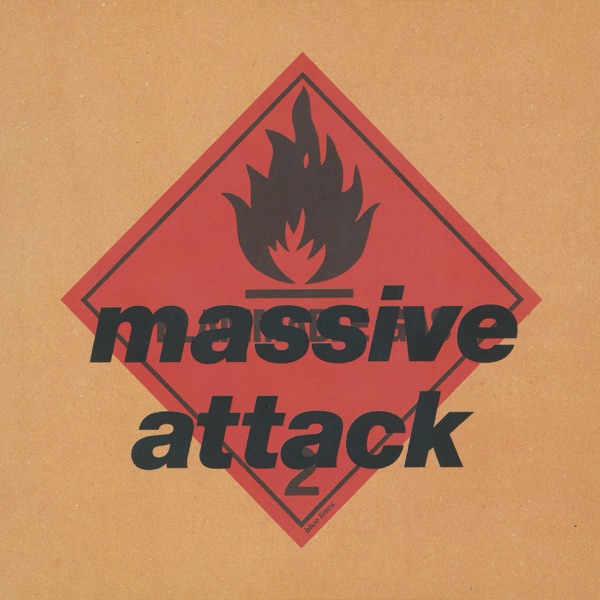
*Blue Lines* (1991): when the future arrived without warningIf you listen to *Blue Lines* for the first time today, it's easy to underestimate it. The rhythms are slow, almost lazy, and the melodies drag on as if time didn't matter. But that's exactly what makes it revolutionary. Before this album, electronic music was synonymous with euphoria or mechanical coldness. Massive Attack proved it could be intimate, warm, even melancholic. Songs like *Unfinished Sympathy* —with that chord that seems to fade into the air— or *Safe from Harm* —where the bass sounds like a heartbeat— not only defined a genre: they humanized it.
The most curious thing is that *Blue Lines* almost didn't exist. The Virgin label gave them a ridiculous budget, and the trio had to record in borrowed studios, using second-hand equipment. But the limitation was their best ally. Without resources to fill the tracks with effects, they focused on the essentials: Shara Nelson's voice, DJ Milo's scratches, and those basslines that seem to come from the earth's core. The album sold half a million copies without anyone knowing exactly what it was. The press called it "lounge hip-hop", "atmospheric dub", or finally, "trip-hop". The name stuck, although they never liked it.
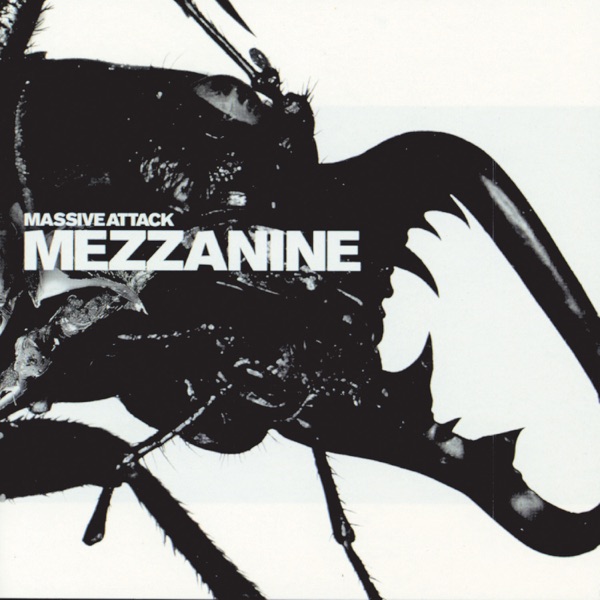
*Mezzanine* (1998): the album that changed everything (and almost killed them)Seven years later, Massive Attack returned with an album that not only consolidated their legend but redefined what electronic music could do. *Mezzanine* is dark, dense, claustrophobic. It sounds like someone recorded the sound of a nightmare and then passed it through a dub filter. And yet, it's impossible not to move to it.
The album is a masterpiece of controlled tension. *Teardrop*, with Elizabeth Fraser's (Cocteau Twins) ethereal voice, became an instant anthem, although the band almost didn't include it. Fraser recorded her part in one take, drunk and crying, as the story goes. The result is a song that seems suspended in time, as if floating in a limbo between beauty and pain. *Angel*, on the other hand, is pure menace: that bassline that falls like a hammer, Horace Andy's voice repeating "You are my angel" like a sinister mantra. It's the perfect soundtrack for driving at night on an empty road, with the city lights flickering in the distance.
But *Mezzanine* almost didn't see the light of day. The internal tensions between the band members reached a breaking point. Vowles abandoned the project shortly after the release, tired of the creative fights. Del Naja and Marshall moved forward, but the album marked the end of an era. It's no coincidence that it sounds like a farewell.
The influence that nobody could matchMassive Attack didn't just invent a genre: they gave it a soul. Their music doesn't just sound good; it conveys something. Listening to *Protection* (1994) or *Heligoland* (2010) is like entering a trance state. The deep basslines, the whispered voices, the samples that appear and disappear like ghosts... It's music to listen to alone, with your eyes closed, letting it envelop you.
Their mark is everywhere. From The Weeknd's dark R&B to movie soundtracks like *The Matrix* (which used *Dissolved Girl* in its trailer). Artists like Björk, Portishead (another Bristol product), Trent Reznor, or even Kanye West have acknowledged their debt to them. But the most interesting thing is how their sound has aged: it still sounds modern, as if time hadn't passed it by.
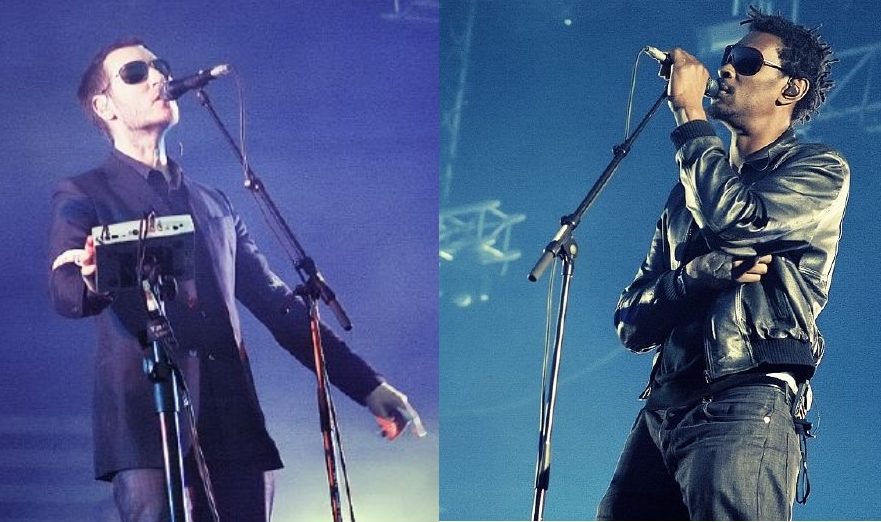
And then there are the live shows. Seeing Massive Attack in concert is not a spectacle: it's an experience. The screens project distorted images, the lights play with the shadows, and the music hits you in the chest like it's physical. It's not rare to see people crying at their shows. It's no wonder: few bands make electronic music sound so human.
The legacy of a band that never wanted to be legendaryMassive Attack never sought success. In fact, they avoided it. They rejected endless tours, refused to repeat formulas, and even boycotted their own music videos when they seemed too commercial. Their attitude was always that of a collective, not stars. Even today, with more than three decades of career, they remain a mystery: are they a group? A project? An idea?
What's clear is that their music is still alive. In a world where electronic music has become increasingly cold and calculated, Massive Attack still sounds warm, imperfect, real. As Del Naja once said: "We don't make music for the dance floor. We make music for life". And they certainly achieved it.
If you haven't listened to them yet, do it. But do it right: with headphones, at night, and without haste. Because Massive Attack is not background music. It's music to get lost in.