💿 Discography
📖 Biography
The stage fills with smoke and golden light. A slender figure, dressed in black, grabs the microphone as if it were a carnation. At the first wail— that “ay” that only the gypsies of Cádiz know how to let out— the audience goes silent. It is not just any concert: it is La Niña Pastori proving that flamenco does not need apologies to be universal. That the WiZink Center in Madrid or the Palau Sant Jordi in Barcelona can be filled without betraying the spirit of Triana or the rhythm of Jerez.
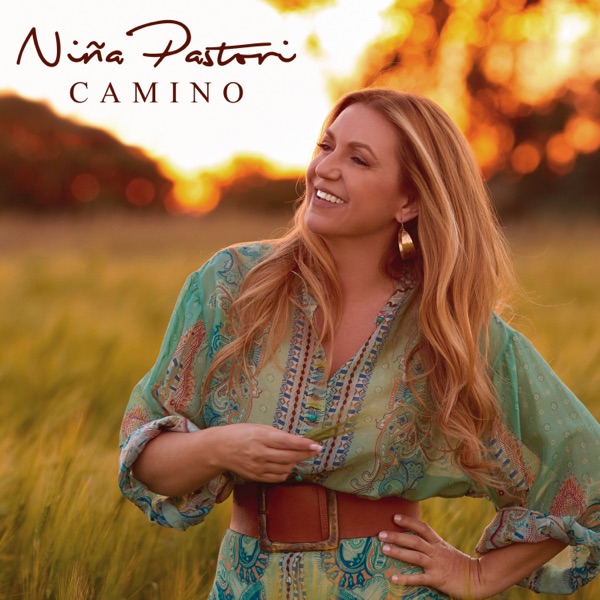
María de los Ángeles García Munt (San Fernando, 1978) did not come to flamenco: she was born into it. Daughter of La Pastori, a singer of the old school, and artistic goddaughter of Camarón—who gave her the name everyone knows today—her first album was recorded at 15. It was not a teenage whim: it was the confirmation that the girl who sang bulerías in the stalls of Bahía had flamenco in her blood. “I didn’t choose flamenco—she said—. Flamenco chose me.”
From Cádiz to the world: a career without concessionsHer discography is a map of how to modernize flamenco without losing its soul. In Quien te vio y quien te ve (1996), her debut, it already sounded different: bulerías with clean arrangements, rumbas that invited dancing without becoming commercial. But it was Entre dos puertos (2000) that made her a star. Here, La Niña Pastori took a risk: she mixed the purest flamenco with pop touches and Latin sounds, while keeping the essence. “La luna y el toro,” for example, is a bulería that sounds like a neighborhood party and a packed stadium at the same time.
What is the secret? Not forcing the fusions. When she collaborated with Alejandro Sanz on “La tortura” (flamenco version) or with Marc Anthony on “Valió la pena,” it was not an experiment: it was a natural meeting. Sanz, who knows flamenco well, said of her: “She has the rhythm in her veins and the cleanest voice I have heard.” And Anthony, who recorded a rumba with her, admitted that it was hard to keep up: “It’s like trying to dance with a hurricane.”
But where she truly shines is in the more intimate albums. Pa mis niños (2005) is a hidden gem: a tribute to childhood, with flamenco lullabies and cradle songs adapted to cante jondo. Here there are no artifices: just voice, guitar, and the heartbeat of a heart that beats to the rhythm of the soleá. “It’s my most personal album—she confessed—. I made it thinking of my son, but also of that girl I was, singing in the taverns of San Fernando.”
The style: flamenco with open windowsLa Niña Pastori is not a purist, but she is not a sell‑out either. Her flamenco is like an Andalusian house: it has whitewashed walls, clay floors, and open windows for the air to come in. She knows that cante jondo can be harsh—“the soleá hurts,” she says—yet that rumba and bulería are for laughing, dancing, and forgetting sorrows.
Her voice is a rare instrument: sharp without being shrill, powerful without shouting, capable of moving from a whisper to a shout in a single beat. Hear her in “La bien pagá” (a classic rumba) and then in “La luna y el toro” (a bulería with party flavor): it is the same artist, but in two different moods. That is what sets her apart from other singers: she does not repeat formulas. Every song is a journey.
And then there is her way of performing. She is not one of those who stay still on stage, arms glued to the body. La Niña Pastori sings with her hands, her eyes, her whole body. When she does a bulería, she seems to be cooking a stew: stirring the air, tasting the flavor, adding salt. When she sings a soleá, she stays still, as if pain had pinned her to the floor. “Flamenco is not explained—it is felt or it isn’t.”
Why she remains relevantIn a genre where many artists stay anchored in the past or get lost in forced fusions, La Niña Pastori has found the balance. She has not recorded a reggaetón album nor done a duet with Rosalía (though that would be interesting). She has not locked herself in a tablao, repeating the same palos forever. Her latest work, Camino a la raíz (2022), is a return to the origins, but with the wisdom of someone who has already travelled the world.
What impresses most is her ability to connect with different audiences. In a pure flamenco festival, she is applauded like a master. In a concert in Latin America, people dance her rumbas without knowing they are listening to flamenco. And in Spain, she is one of those artists who fill stadiums without scandals or controversies. “I’m not famous—she said—. I’m known. There is a difference.”
Perhaps that is why she remains one of the few singers who can afford the luxury of choice. She does not need endless tours or collaborations with influencers. Her audience is loyal, but not fanatical: they know her art is not for everyone, but it does not hide. As she herself says: “Flamenco is like wine. You have to know how to appreciate it, but when you taste it, there is no turning back.”
And so, with that mix of humility and confidence, La Niña Pastori keeps singing. Not as a star, but as she has always been: a gypsy from Cádiz who carries flamenco in her throat and the world at her feet.