
💿 Discography
📖 Biography
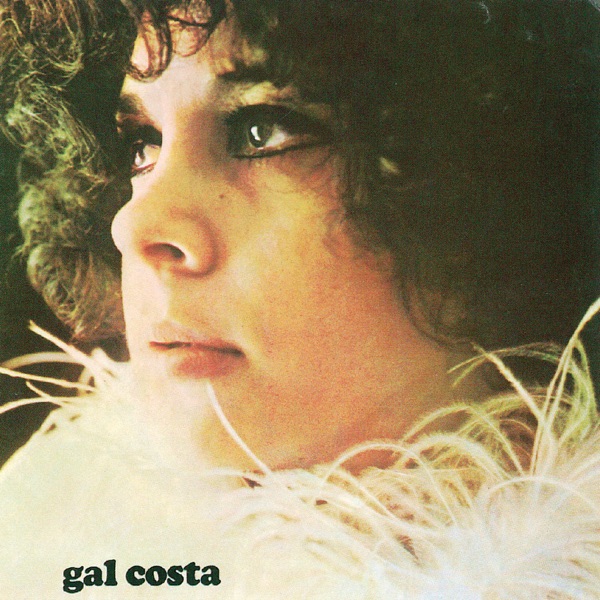
On the stage of Brazilian music, a female voice stood out for its power and versatility: Gal Costa. Born María da Graça Costa Penna Burgos in Salvador, Bahia, in 1945, her friendship and collaboration with Caetano Veloso and Gilberto Gil turned her into a key figure of tropicalism, a movement that revolutionized Brazilian music in the 1960s.
Gal Costa’s voice is unmistakable — luminous, sensual, with a vibrato that makes her unique. Albums such as India (1973) and Cantar (1974) showcase her boldness in exploring the limits of MPB. Her rendition of Baby, by Caetano Veloso, is one of the most beautiful recordings in the history of Brazilian music. This song, in particular, demonstrates her ability to convey deep emotions through her voice.
With a career spanning more than five decades, Gal Costa received numerous awards and recognitions. One of the most significant was being honored as Living Heritage by the State of Bahia, a tribute to her invaluable contribution to Brazilian music. Despite her passing in 2022, her legacy lives on, and her music continues to inspire new generations of artists and listeners. The mark she left on Brazilian and Latin American music is indelible, and her voice remains a reference for many.
Gal Costa’s importance in Brazilian music transcends her own discography. She was part of a broader cultural movement that sought to renew and democratize popular music in Brazil. Together with other artists such as Caetano Veloso, Gilberto Gil, and Maria Bethânia, she formed the core of tropicalism, a movement that not only changed music but also reflected and influenced the political and social climate of the time.
In her music, Gal Costa demonstrated a unique ability to fuse different styles and genres, from bossa nova to samba, passing through Brazilian folk music. This versatility made her accessible to a very diverse audience, both inside and outside Brazil. Her legacy is a reminder of the richness and diversity of Brazilian music, and her influence can be heard in many of the female voices that have followed in her footsteps in Latin American popular music.
Although she is no longer with us, Gal Costa’s music remains a treasure for those who love Brazilian and Latin American music. Her albums continue to be listened to and rediscovered, and her voice continues to inspire new artists. In a world where music is increasingly globalized, Gal Costa’s legacy reminds us of the importance of preserving and celebrating our cultural and musical roots.