💿 Discography

📖 Biography
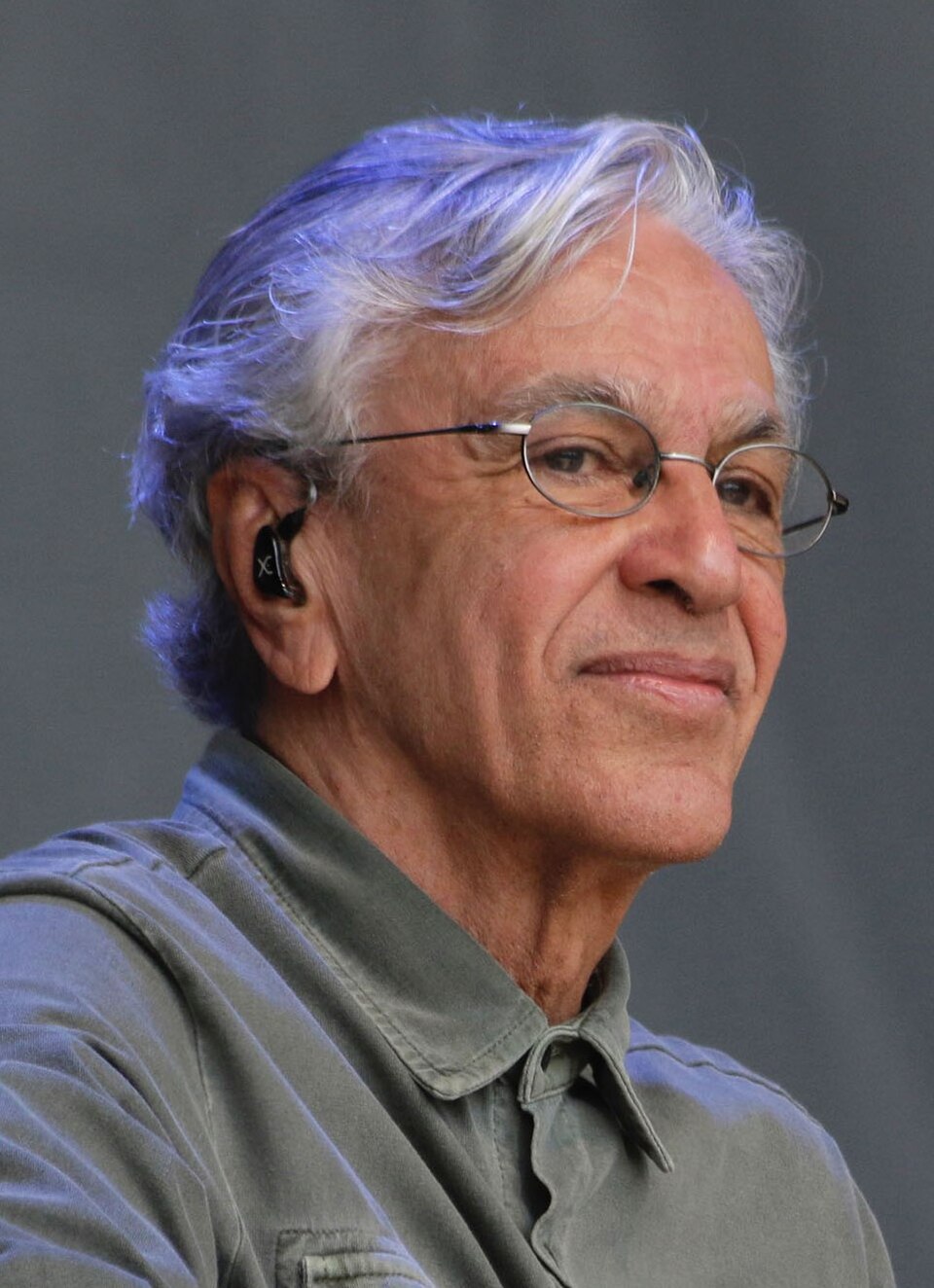
Imagine a scene where Brazilian music intersects with Anglo‑Saxon rock and pop, and artistic avant‑garde movements fuse into a movement that would forever change Brazil’s music. That was the setting in which Caetano Veloso, born in 1942 in Santo Amaro da Purificação, Bahia, became the leader of the Tropicalist movement, alongside Gilberto Gil, in 1968. A cultural scandal that laid the foundations for a new era in Brazilian popular music.
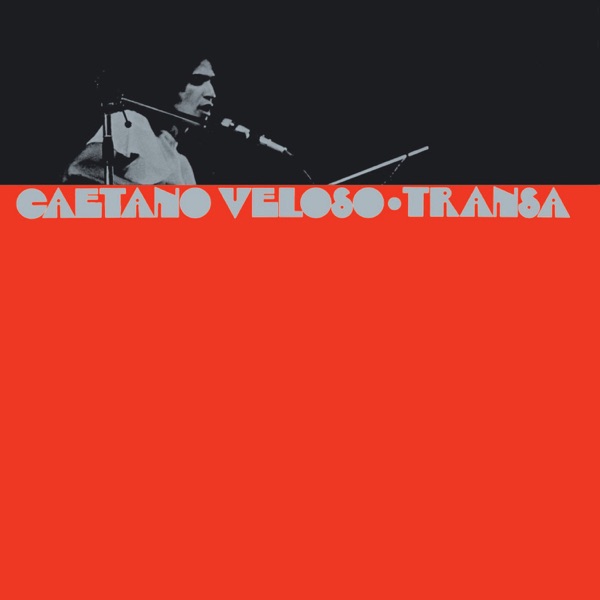
His career, spanning more than sixty albums, is a true map of the Brazilian soul. From radical Tropicalismo to the most intimate bossa nova, through Bahian music, jazz, and classical music, Caetano Veloso has traversed a wide musical spectrum. Songs such as Sozinho, Cucurrucucú Paloma and Baby have become part of the universal musical heritage, and his album Livro (1997) is considered by many as his masterpiece. The complexity and richness of his music have captivated audiences worldwide, and his influence can be heard in generations of Brazilian musicians and others.
But Caetano Veloso is not limited to music. He is also a poet, writer, and political thinker. His book Verdade Tropical (1997) is a foundational cultural essay on Brazilian identity, offering a deep and reflective view of Brazil’s culture and society. He has been awarded the honorary Latin Grammy, and is recognized worldwide as one of the great artists of the second half of the twentieth century. His legacy continues to inspire new artists and lives on in the music around us.
A Legacy That Transcends MusicThe influence of Caetano Veloso on Brazilian music and culture in general is undeniable. He has been an advocate for freedom of expression and has used his platform to speak on social and political issues. His music and literary work have reflected his commitment to social justice and his love for Brazilian culture. In a world where music can be a powerful instrument for change, Caetano Veloso has proven to be a true icon and an inspiration for many.
Caetano Veloso is a truly unique and visionary artist whose music and legacy continue to inspire and enrich Brazilian culture and popular music in general. His influence can be heard in today’s music, and his commitment to social justice and freedom of expression serves as a reminder of the importance of music as a tool for change.