💿 Discography

📖 Biography
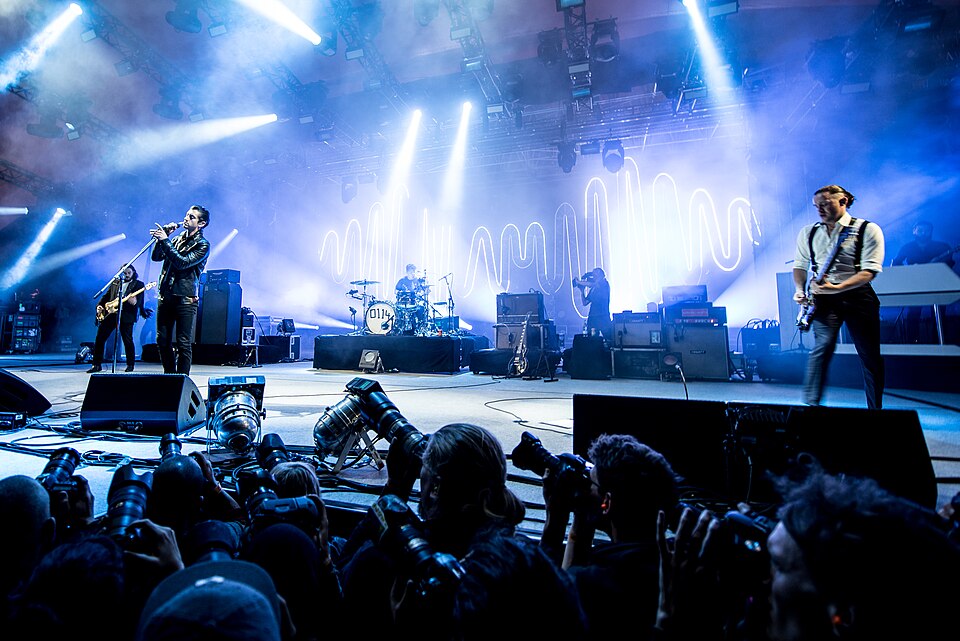
When the curtain rose at the O₂ in London and the opening note of “Do I Wanna Know?” rang out, the entire stadium turned into a wave of whispers and shouts never seen in a single night. That energy, impossible to capture with a simple “epic concert,” shows why Arctic Monkeys continues to make a difference more than two decades into their career.
It all began in the backstreets of Sheffield in 2002, when Alex Turner, Jamie Cook, Nick O'Malley and Matt Helders got together to play in pubs where garage noise was the only guarantee of being heard. The chemistry between Turner's weary voice and Helders' frantic drumming turned those sessions into a project that, overnight, went from local gigs to headlines.
Its debut record, Whatever People Say I Am, That's What I'm Not (2006), quickly broke records: it became the fastest debut album to reach number one in the United Kingdom, and the controversy over its lyrics about British nightlife catapulted it into global conversation. Critics, who nominated it for the Mercury Prize, were swift to acknowledge the freshness of a sound that blended sharp riffs with street narratives.
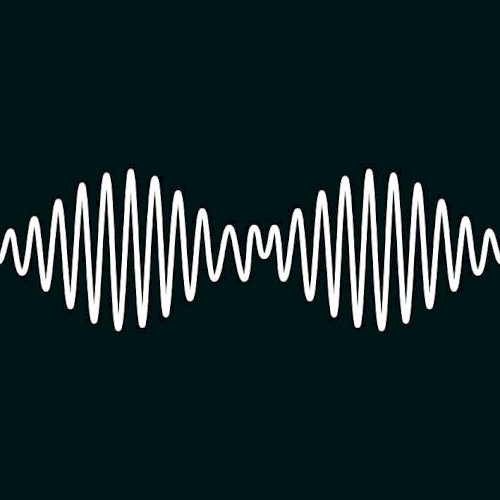
The band's sonic evolution has been one of indie rock's most intriguing paths. After the raw garage sound of the debut, Humbug (2009) introduced a dark, psychedelic vibe that recalled seventies art rock. With AM (2013) came R&B grooves and a futuristic crooner style that turned “R U Mine?” into a bar and playlist anthem. The definitive leap arrived with Tranquility Base Hotel & Casino (2018), where the group embraced space‑age lounge, a piano‑and‑synth atmosphere that left many gaping. In 2022, The Car once again proved that creative curiosity remains intact, blending retro nostalgia with polished production that reclaimed the top of the British charts.
Behind every song, Turner's lyrical talent feels like an intimate conversation. His words, steeped in irony and observation, recall the sharpness of Ray Davies and the cheekiness of Jarvis Cocker, yet with a unique twist that makes each verse a story that sticks in the ear. The ability to turn everyday life into urban poetry is, in my view, one of the reasons the band continues to resonate across generations.
With six consecutive number‑one albums in the United Kingdom and a constellation of awards, including multiple Brit Awards, Arctic Monkeys is not just a band; it’s a cultural phenomenon. Their records appear on “best of the 21st century” lists and their influence is felt in emerging groups trying to recreate that blend of wit and energy. The legion of fans, stretching from Manchester to Buenos Aires, proves that their music transcends borders and languages.
Stadium shows are, without exaggeration, a master class in emotional intensity. The way the lights blend with the chords, how the crowd chants every line, and the moment the band pauses to listen to the silence before the final riff, create an experience few acts can replicate. If you’re looking for a night that leaves you breathless and feeling part of something larger, there’s no better guarantee than an Arctic Monkeys performance.