
💿 Discography
📖 Biography
The guy steps onto the stage in a rumpled shirt, sunglasses at three in the morning, and a glass in his hand. He needs no introduction. At the first note of Flaca, the audience goes wild. It's not a concert: it's a collective confession. Andrés Calamaro doesn't sing; he dismantles life live, song by song, with a voice that sounds like whisky and cigarettes forgotten in an ashtray. And yet, there he is, forty years after his first record, filling stadiums as if Spanish rock wouldn't have existed without him.
He was born in Buenos Aires in 1961, but his legend began to be written in the ’80s, when Argentine rock still smelled of garages and broken dreams. With Los Abuelos de la Nada —that group that sounded like a neighborhood party with cursed poet lyrics— he already made it clear he wouldn't be just another musician. But it was with Los Rodríguez, alongside Ariel Rot and Julián Infante, when the beast fully broke loose. Songs like Sin documentos or Palabras más, palabras menos were not just hits: they were survival manuals for a generation that learned to dance with its heart in its throat.
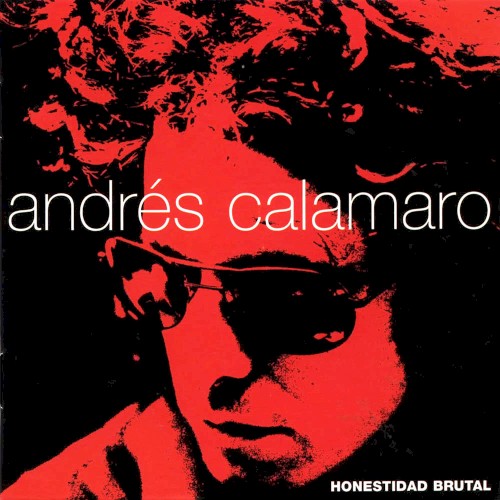
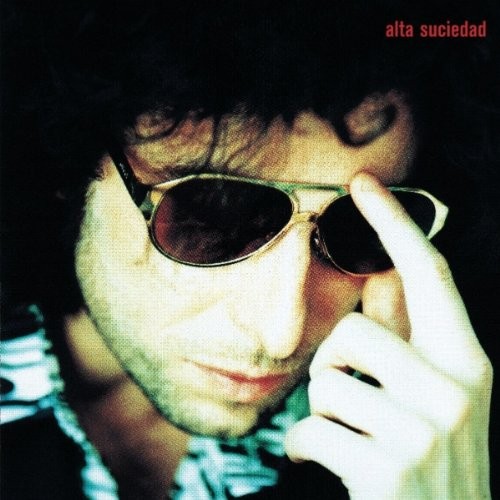
The solo era: when excess became artIf anything defines Calamaro, it's his ability to turn chaos into melody. He proved it with Alta suciedad (1997), an album that smells of dive bars and nights that should never end. But it was Honestidad brutal (1999) that changed everything. A triple album, more than a hundred songs, and the feeling that the guy had emptied the drawer of his miseries to turn them into art. It wasn't an album: it was an intimate diary set to blast at full volume.
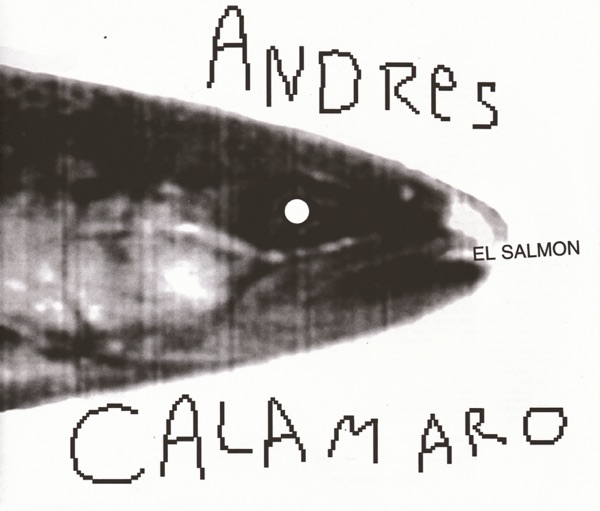
There are the tracks that became anthems without asking permission: Loco, with that riff that feels ripped from a feverish dream; El salmón, where self‑destruction sounds epic; or Te quiero igual, which hurts more than a live heartbreak. Calamaro doesn't write songs: he builds mirrors. And the audience, generation after generation, sees themselves in them.
The art of not aging (or doing it his way)The strange thing isn’t that Calamaro is still active. The strange thing is that he does it without repeating himself. Since 2000, he has released albums as if writing letters to an old friend: with urgency, but without haste. El cantante (2004), La lengua popular (2007) or Volumen 11 (2016) are proof that the guy doesn’t need to reinvent himself, just keep being himself. And that, in a genre that devours its idols, is almost a miracle.
His secret? Being afraid of nothing. Not of synthesizers (Bohemio), not of impossible duets (like the one he did with Joaquín Sabina on No hago otra cosa que pensar en ti), not even of covering the Rolling Stones with an accent that sounds like tango. Calamaro doesn’t follow trends: he ignores them. And that, in a world where rock seems like a dying genre, is a rebellion in itself.
The legacy: more than a musician, a state of mindThere are artists who sell records. Others who fill stadiums. Calamaro does something harder: he makes people feel less alone. His lyrics —that cocktail of cynicism, tenderness and self‑destruction— are like a drunk’s hug: clumsy, but sincere. Songs like Mil horas or Crímenes perfectos don’t age because they talk about things that never go out of style: love that leaves, the night that never ends, the feeling that life is a wonderful mistake.
And then there’s the Flaca phenomenon. It’s not just his most famous song: it’s a generational anthem that transcends borders. It plays in Mexico, Spain, Colombia, Argentina, and everywhere people sing it as if it were theirs. That’s what makes Calamaro great: he doesn’t write for a country, but for anyone who has ever felt lost, in love or drunk. Or all three at once.
Today, with more than sixty years of age and a career that feels ripped from a Bukowski novel, Calamaro is still there. Not as a rock fossil, but as a guy who grasped something many forget: that music is not just sound, but memory. And he, with his hits and his excesses, has become the soundtrack of half a continent. Not bad for a guy who started playing in Buenos Aires bars without knowing that, decades later, people would still be asking him to sing Loco as if it were the first time.