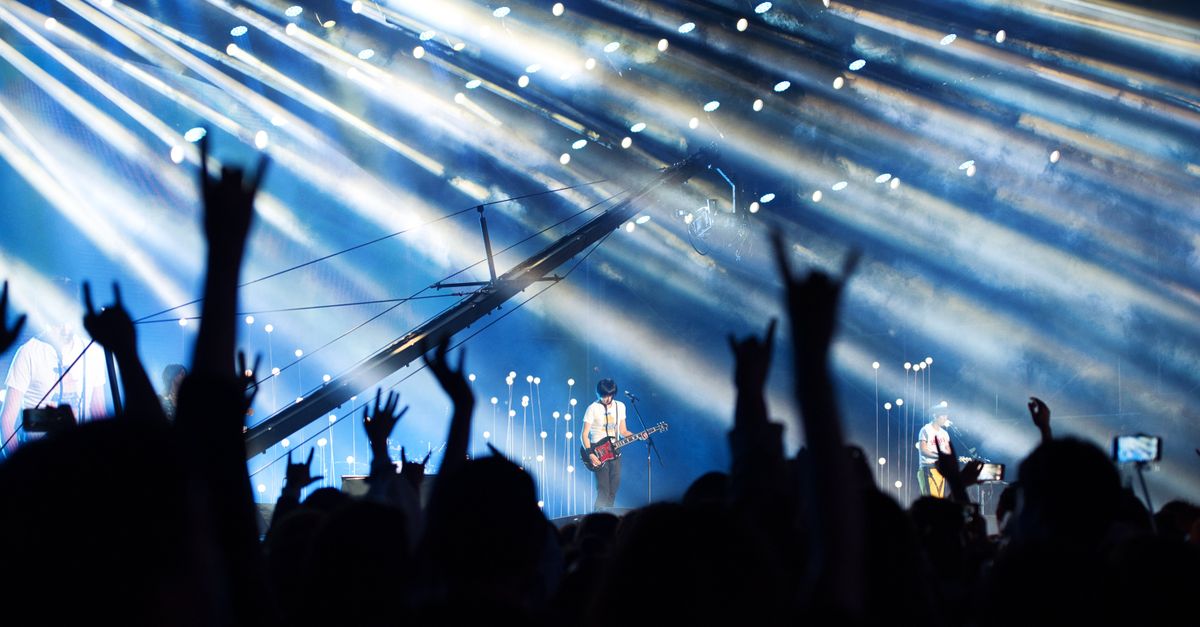
At a packed stadium in a city far from the world’s football epicenter, a group of supporters held up signs demanding change. Their message was clear: “A World Cup for them not us.” The protest, echoing the sentiment of many fans worldwide, reacts to the United States’ ongoing travel bans and visa restrictions that threaten to keep thousands of passionate supporters from attending the 2026 World Cup.
The United States has tightened visa policies that affect travelers from 39 countries, a move that has drawn criticism from sports fans, civil‑rights groups, and international observers alike. The restrictions have been lifted in some contexts but remain a significant hurdle for many who wish to travel to the United States for the tournament.
For fans, the World Cup is more than a sporting event; it is a cultural phenomenon that brings together millions of people from different backgrounds. The inability to attend due to visa issues threatens to dilute the global nature of the tournament and sideline the voices of supporters who have long been the lifeblood of football culture.
The backlash is not limited to the United States. Similar frustrations have emerged in other countries where travel restrictions have been tightened. Fans have taken to social media, organized street demonstrations, and written petitions to their governments, demanding that the rules be relaxed or removed entirely.
The United Nations Human Rights Office has expressed concern about the impact of restrictive visa policies on the right to freedom of movement, especially during major international sporting events. The organization has urged member states to consider the broader implications of such policies on cultural exchange and international goodwill.
While the United States has not yet announced any revisions to its visa policies ahead of the tournament, the growing pressure from fans and advocacy groups suggests that the issue will remain in the spotlight. The debate over travel restrictions also raises questions about how future World Cups will navigate the balance between national security and the inclusive spirit of international sport.
For fans, the stakes are clear. The World Cup is a rare moment when the world pauses to celebrate shared passion and unity. If travel bans continue to stand, they risk turning a global celebration into a fragmented experience, one that excludes the very people who give the tournament its heart and soul.