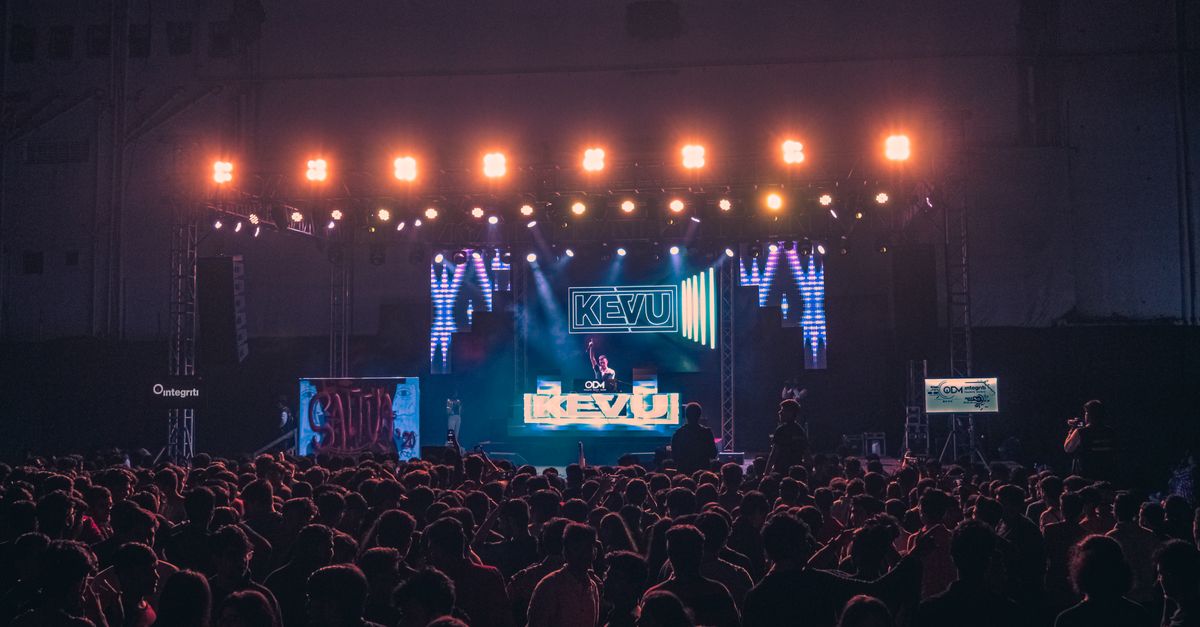
Picture a packed arena, the lights dimming as the stage lights flare to life. That was the scene at a recent BTS fan‑meeting, but for many fans the dream ends before the first beat. Online forums are flooding with complaints that they paid thousands for tickets that turned out to be counterfeit or non‑existent.
Scammers have capitalised on the fever surrounding the group’s upcoming comeback tour. They set up fake websites, social‑media accounts and email campaigns that mimic official ticket sellers. The bait is simple: a limited‑time offer for a cheap, exclusive seat. Once the fan clicks, the payment is processed and the ticket disappears.
The fallout is immediate. Fans are left holding a receipt that offers no guarantee of entry, while the organisers of the tour report no record of the transactions. The cost? Some reports indicate that victims have lost between $500 and $2,000 per ticket.
Law enforcement agencies in several countries have issued warnings. In South Korea, the national police commission has urged fans to buy only through the band’s official website or authorised partners. In the United States, the Federal Trade Commission has added the case to its list of high‑profile online fraud alerts.
Experts say the problem reflects a broader trend of ticket‑scam tactics that target high‑profile events. “When demand spikes, fraudsters fill the gap,” notes a cybersecurity analyst who has studied online scams. “They rely on the fear of missing out to push people into rushed purchases.”
For BTS fans, the lesson is clear: double‑check the seller’s credentials, look for secure transaction markers, and avoid deals that sound too good to be true. The group’s management has released a statement urging supporters to stay vigilant and to report any suspicious activity to the official fan‑club channels.
While the industry struggles to curb these practices, fans can take proactive steps. Registering tickets with a credit card that offers fraud protection, using official resale platforms that verify authenticity, and sharing information within fan communities can reduce the risk. The situation also highlights the need for stronger regulation of online ticket sales, a conversation that is already gaining traction among consumer rights groups.