💿 Discography
📖 Biography
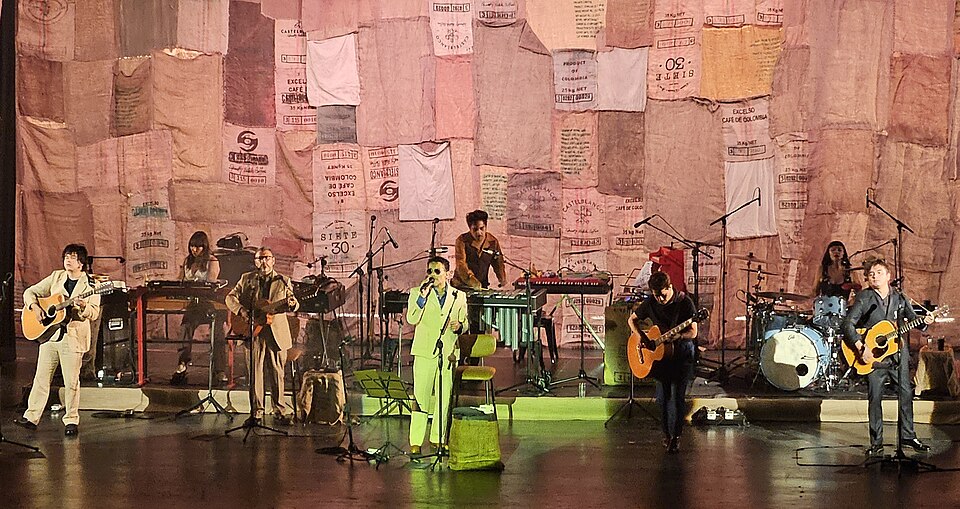
There is a moment in any Los Bunkers concert that explains everything. It’s not the guitar solo nor the most sung‑along chorus, but that instant when Álvaro Durán lowers the microphone, looks at the audience, and lets the silence fill with the echo of his raspy voice. It is there, in that calculated pause, that you realize they’re not selling posturing or nostalgia: they’re telling painful truths, with the same honesty they had in the bars of Concepción in the late ’90s. And that, in a genre as saturated with affectations as Spanish-language rock, is almost a miracle.
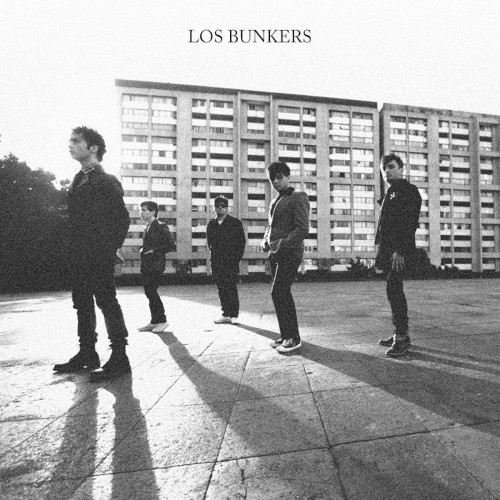
The band was formed in 1993, when two brothers —Álvaro and Mauricio Durán— and a handful of friends decided that 60s Brit‑pop and Latin American rock could coexist in the same songs. It wasn’t a new idea, but they gave it an unexpected twist: lyrics that spoke of heartbreak with the rawness of a personal diary, melodies that swung between the euphoria of The Beatles and the melancholy of Violeta Parra. If 80s Chilean rock had been protest and 90s rock had been party, Los Bunkers arrived to remind a generation that pain could also sound beautiful.
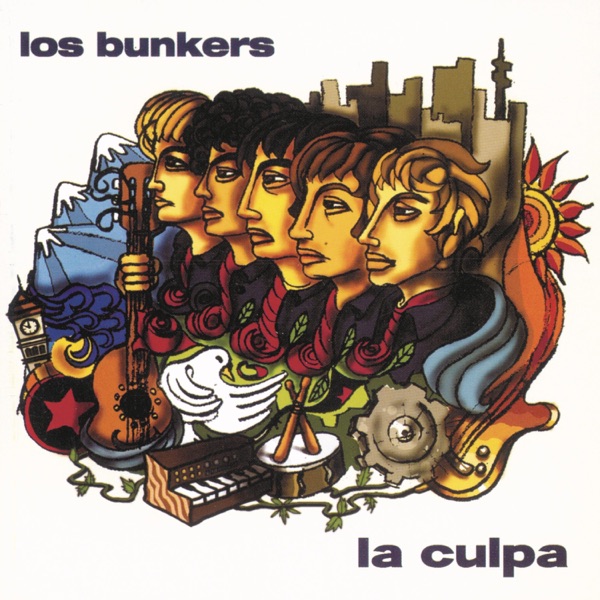
The album that changed everything (and why it still sounds fresh)In 2003, La culpa blew up Chilean radio and then those across the continent. It wasn’t an instant hit —the kind that catapults you to fame with a single song— but an album that slipped onto university CD players, into house after‑dinner gatherings, into after‑parties where someone always requested Canción de lejos at three in the morning. Tracks like Quién más que yo or Nada nuevo bajo el sol weren’t just songs: they were confessions disguised as rock. And that, at a time when Latin pop ruled with party lyrics and saccharine heartbreak, sounded like a revelation.
The strangest thing is that La culpa doesn’t sound “old” today. It lacks the dated feel that betrays albums that age poorly. Why? Los Bunkers never obsessed over sounding modern. Their gamble was timeless: clean guitars, simple yet precise arrangements, and Álvaro Durán’s voice that feels lifted from a ’70s record but with the urgency of someone singing in the present. It’s the kind of music that survives algorithms because it wasn’t made for them.
The hiatus that almost erased them (and why their return hurt so much)In 2009, after years of touring and releasing albums, the band announced a break. There were no scandals or public fights —nothing that usually accompanies rock break‑ups—, just a brief statement and the promise to "reunite in the future." But the future stretched out for five years. Five years during which fans got used to living without them, during which social media filled with theories ("Did they split forever?", "Is Álvaro going solo?"), and during which Spanish-language rock carried on without one of its standards.
When they returned in 2014, the reunion was more than a concert: it was a catharsis. Not only because of the quality of their music —still intact— but because they proved they could come back without slipping into self‑congratulation. They didn’t release a "greatest hits" album nor jump on the duet train with reggaeton artists. They simply picked up where they left off, as if time hadn’t passed. And that, in an industry that rewards the new and punishes anyone who takes a breather, was an act of rebellion.
Why Los Bunkers matter todayOne could say their legacy is proving that Spanish-language rock isn’t dead, but that would be an understatement. What they actually did was something harder: show that you can be massive without selling your soul. That you can fill stadiums without writing songs for TikTok. That you can talk about love, loneliness and disillusionment without sinking into cheap melodrama or post‑modern cynicism.
Their influence is evident in bands that followed —from the Chileans of Astro to the Mexicans of Little Jesus— but also in something more intangible: the way a generation learned to listen to Spanish-language rock without inhibitions. Before Los Bunkers, many believed that rock in our language was a minor genre, something that only worked in English. They turned it into a universal language, without needing to translate anything.
Today, when algorithms decide which music gets heard, their songs are still there, slipping into Spotify playlists, Twitter memes, covers by artists who weren’t even born when La culpa was released. It’s not nostalgia. It’s that, sometimes, good music doesn’t need to be updated to remain necessary.
And that, in the end, is the only thing that matters.