
💿 Discography
📖 Biography
Rosario, 1985. A skinny guy with a childlike face and concert pianist’s hands sits in front of a Yamaha piano in a Buenos Aires studio. He has no sheet music. Just a pack of cigarettes, a bottle of cheap whiskey, and the certainty that he’s about to break everything. Three weeks later, Ciudad de pobres corazones hits the streets like a punch on a table. It’s not a rock album. It’s an exorcism. And there, in that blend of fury, melancholy and chords borrowed from Chopin, lies the seed of what would come next: the Páez sound.
Fito didn’t come to simply join Argentine rock. He came to reinvent it. While his contemporaries followed in Spinetta’s wake or the barrio rock of Los Redondos, he did something riskier: he injected the elegance of classical piano, the cadence of tango, and even the dirty rhythm of cumbia villera. It wasn’t fusion. It was musical cannibalism. And it worked.
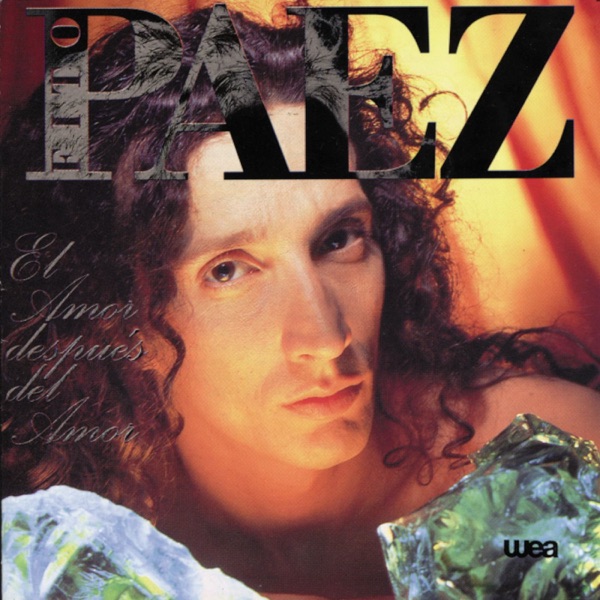
The album that changed everything (and almost killed him)There is a before and after El amor después del amor (1992). It’s not an exaggeration. It’s math. Over a million copies sold in Argentina —an absolute record for a rock album in the country—, stadium tours sold out, covers of his songs at weddings and funerals, and a legion of fans who idolize him as if he were a secular saint. But few remember that Fito wrote that album amid an emotional collapse.
The story is well known: his grandmother’s death —his great love, his accomplice— left him shattered. For months he stayed locked in his Buenos Aires apartment, writing songs as if they were farewell letters. The result was not a mourning album, but a celebration. Songs like 11 y 6 —with that piano solo that sounds like a restrained sob— or Mariposa Tecknicolor —a pop anthem disguised as a ballad— showed that pain could sound glorious. And that rock, when done right, doesn’t need distorted guitars to be visceral.
Why does that album still sound fresh thirty years later? Because Fito grasped something many musicians forget: popular music isn’t about virtuosity, it’s about truth. And El amor después del amor is pure stripping down. No filters. No poses.
The duo that shook Latin rock: Fito and CharlyIf Argentine rock had an Olympus, Charly García and Fito Páez would be Zeus and Apollo. But with more cocaine and less patience for the gods. Their relationship was as intense as it was brief: just two albums (Tercer mundo and La la la), yet enough to define an era.
Charly, the unstable genius, the guy who would play piano with his feet if he felt like it. Fito, the rebellious disciple, who admired his chaos but didn’t want to repeat it. Together they created a sound that was both sophisticated and wild: cryptic lyrics, string arrangements, gospel choirs and guitar riffs that sounded as if recorded by a hungover angel. Songs like Cable a tierra or De mí prove that Spanish‑language rock could be as complex as Pink Floyd’s and as catchy as the Beatles’.
Then came the distance. Egos, excesses, creative differences. But that doesn’t diminish what they achieved. For a time, they were the most dangerous duo in Latin rock. And that, in a genre full of inflated egos, says a lot.
The legacy: songs that are like tattoosThere are artists who make hits. And there are artists who make songs that embed themselves in your skin. Fito belongs to the second group. Tumbas de la gloria is not a song: it’s a ritual. You listen to it and feel someone is whispering a secret you shouldn’t know. El amor después del amor —the song, not the album— is a confession in the form of a ballad, one of those that make people hug at concerts as if they were the last humans on Earth. And Dar es dar, that hidden gem in Circo beat, is pure pop philosophy: "Dar es dar, lo demás es regalar". A line that, incidentally, should be carved in marble at the entrance of every record label.
The curious thing is that Fito never chased an easy hit. His most famous songs are the ones he wrote from the edge: when he was broken, when he didn’t care about anything, when art was his only salvation. That explains why his music withstands the test of time. It doesn’t sound like a trend. It sounds like life.
From stages to Netflix: Fito in the streaming eraIn 2023, Netflix premiered El amor después del amor, the biographical series about his life. It wasn’t just another biopic. It was a reminder: Fito Páez is not a musician of the past. He’s a guy who’s still alive, creating, messing up, reinventing himself. The series had its detractors —there are always some—, but it achieved something important: it introduced his work to a generation that knew him more from TikTok than from records.
And here’s the paradox: in a world where music is consumed in 15‑second snippets, Fito remains relevant. Why? Because his songs aren’t products. They’re stories. And stories, when they’re good, don’t expire.
Today, with more than forty years of career, Fito is still on the road. He keeps playing piano as if every note hurts him. He keeps writing lyrics that seem written in blood. And he remains, against all odds, the same skinny guy from Rosario who one day decided Argentine rock needed a little more piano and a little less guitar.
That, in the end, is what makes him great. Not the awards. Not the records. But the stubbornness to keep making art as if every song were the last. And maybe it is.