💿 Discography
📖 Biography
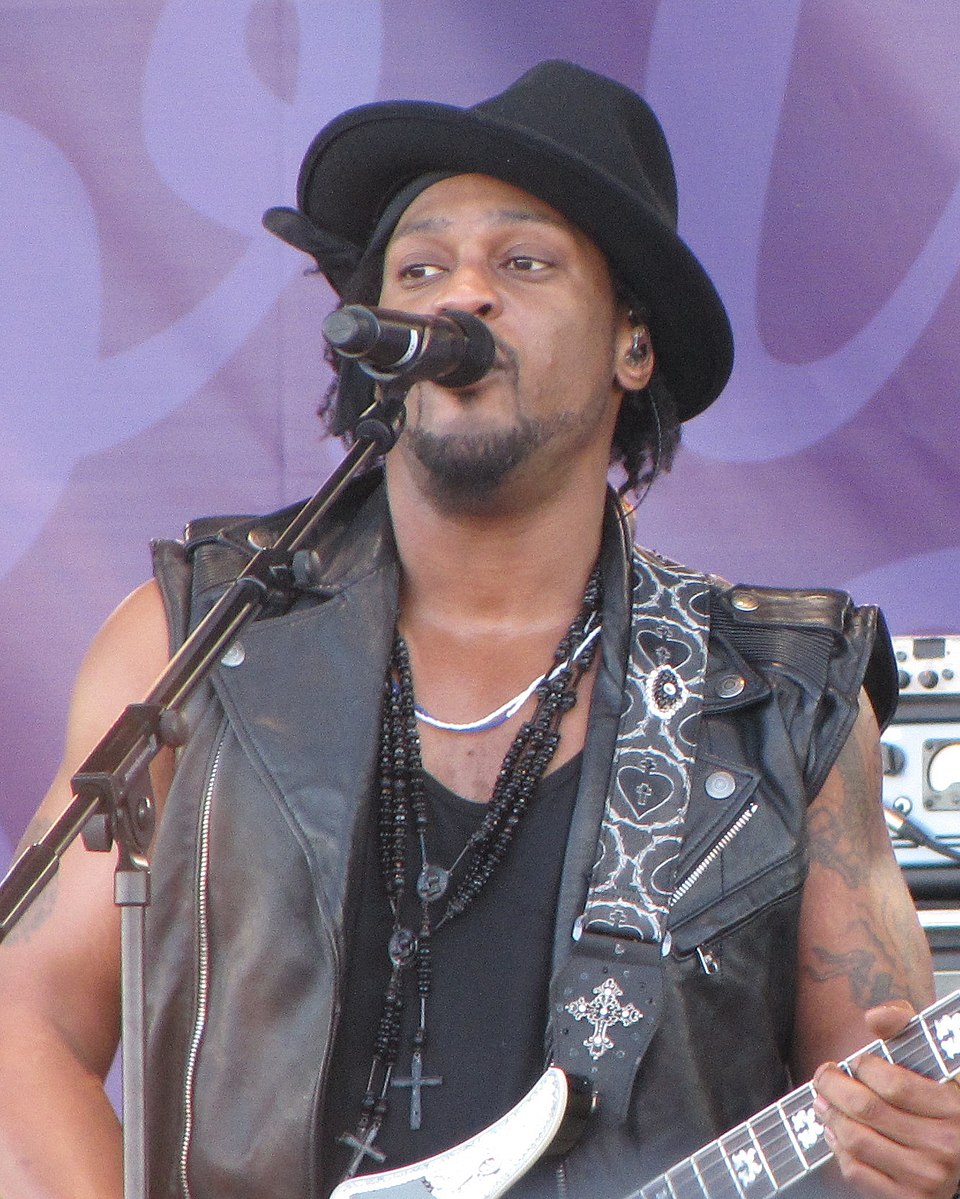
Do you remember the first time you heard “Untitled (How Does It Feel)” and felt D'Angelo's voice vibrating from deep within your chest? That moment marked the arrival of Michael Eugene Archer, the man who, under the stage name D'Angelo, redefined R&B in the early ’90s with a blend of neo‑soul, raw funk, and a bodily sensibility that remains unmatched today.
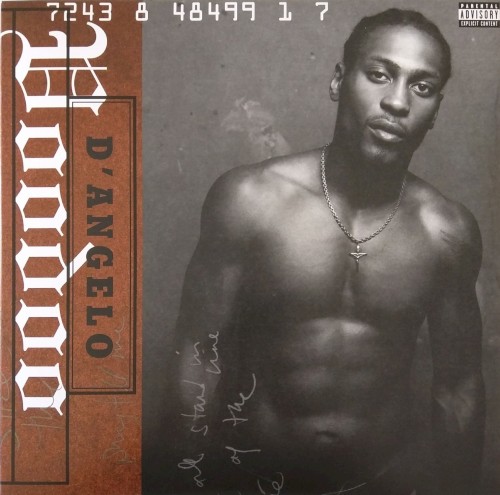
Born in 1974 in Richmond, Virginia, D'Angelo burst onto the scene with Brown Sugar (1995), a record that blended classic soul rhythms with smooth yet powerful production. But it was his second release, Voodoo (2000), that changed the game. Recorded on analog, the album immerses itself in layers of pulsing bass, reverberated guitars, and choirs that seem to float between African‑American spirituality and sexual intimacy. Archer's voice, deep and velvety, feels like a whisper that emanates from the body itself, a quality that has made Voodoo an undisputed touchstone for generations of R&B, hip‑hop, and soul artists.
The influence of Voodoo extends beyond music: its organic approach inspired producers to return to tape studios and seek “live” textures in the digital age. In the 2000s, names like Erykah Badu, Jill Scott, and even the hip‑hop collective The Roots cited D'Angelo as a key element of their sound. That same reverberation is felt in today’s scene, where emerging artists cite his style as the foundation of their own explorations.
After a 14‑year hiatus, D'Angelo surprised everyone by dropping Black Messiah (2014) without any prior notice. The record arrived amid protests against police brutality and quickly became a soundtrack of resistance. Each track blends string arrangements, gospel choirs, and production that feels lifted from an underground jam session, creating an urgent atmosphere that still reverberates in conscious‑music playlists. Personally, I believe Black Messiah not only reaffirmed D'Angelo’s mastery but also demonstrated that art can be a vehicle for protest without sacrificing its sonic beauty.
In the history of contemporary soul, D'Angelo holds a place that transcends decades. From his beginnings in Richmond to his cult status on international stages, the artist has shown that innovation doesn’t require fleeting trends; it only needs an authentic pulse and a vision that challenges conventions. Whenever his name comes up in conversations about the future of R&B, the answer is clear: his legacy remains alive, and his music, like fine wine, improves with time.