💿 Discography

📖 Biography
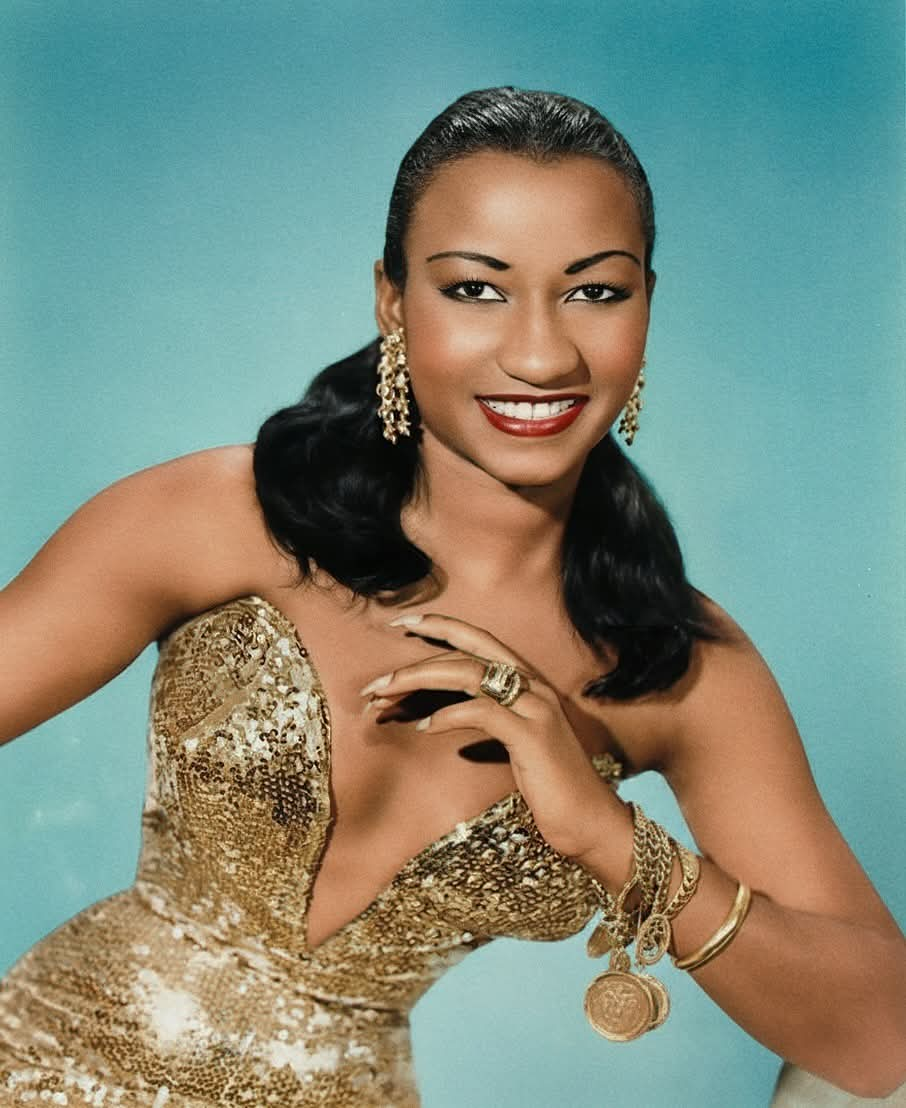
The Madison Square Garden stage vibrates. It is 2:17 a.m. On a New York Saturday in 1998, and Celia Cruz has just released her first "¡Azúcar!" of the night. It is not an ordinary shout: it is a spell. At that instant, 20,000 people—Cuban, Puerto Rican, Dominican, Colombian, Spanish—stop being individuals to become a single sweaty, euphoric mass. Tito Puente’s orchestra attacks the horns as if the world were ending in three measures, and she, in that sequin dress that weighs more than her own shadow, moves as if the floor were mercury. She does not sing: she orders. And the audience obeys.
That moment sums up what Celia Cruz was far beyond titles: the first woman to turn a musical genre into a global phenomenon without asking permission. She did not inherit the throne of "Reina de la Salsa"—she seized it by force, at a time when women in Latin music were either backup singers or musicians’ wives. She was both: a backup singer of her own legend and the wife of a trumpeter, Pedro Knight, who understood before anyone else that her talent was too great to share a bill. "Celia does not need an orchestra," she once told a promoter who wanted to cut her budget. "The orchestra needs Celia."
From Havana to eternity: exile as an act of rebellionShe was born in Santos Suárez, a Havana neighborhood where son seeped through windows like the smell of freshly brewed coffee. Her mother, a washerwoman, told her to sing in church; her father, a railroad cook, taught her that music was hard work. By 15 she was winning radio contests, but it was not until she joined Sonora Matancera in 1950 that the world began to pay attention. With them she recorded classics such as Burundanga and Yerbero moderno, songs that today sound like pre‑Revolutionary Cuba: cheerful, bold, full of double meaning.
When Fidel Castro took power in 1959, Celia was touring Mexico. She never returned. "I did not leave Cuba," she declared years later in an interview with The New York Times. "They kicked me out. And if they had let me stay, I would have left anyway." Exile was not an accident in her life: it was the engine. In New York, where she arrived in 1961 with $36 in her pocket, she turned her pain into rhythm. Songs like La negra tiene tumbao or Ríe y llora were not just music: they were manifestos. "Salsa is the music of those who have no homeland," she once said. And she, who lost her homeland twice—first by leaving Cuba, then by being erased from the island’s official history—knew this better than anyone.
The sonic laboratory: when Celia reinvented salsaWhat Celia Cruz did with salsa is unparalleled. She did not limit herself to singing: she disassembled. She worked with all the greats—Tito Puente, Johnny Pacheco, Willie Colón—yet never settled for being anyone’s voice. With Puente she recorded Cuba y Puerto Rico son..., an album where Latin jazz and son fused as if they had been waiting centuries for that embrace. With Colón, in the ’70s, she brought salsa to dark territories: Celia & Johnny (1974) is an album where euphoria and melancholy hold hands, as in Quimbara, a track that starts with a trombone solo that sounds like a lament and ends with a chorus that sounds like a party in the sky.
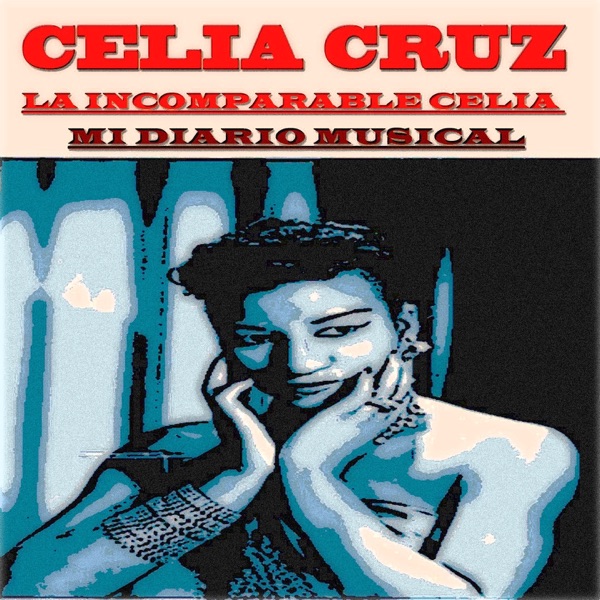
But her most unexpected collaboration was with Marc Anthony, almost three decades later. In 1998, when many thought traditional salsa was dead, Celia recorded Duets, an album where she reinterpreted her classics with new‑generation artists. People were shocked when she announced she would sing with Anthony, then a 29‑year‑old. "What will that old woman do with that young man?" they said. The answer came in La vida es un carnaval, where Celia’s voice—gritty, wise, with more than half a century on stage—intertwined with Anthony’s in a duet that sounded like a generational relay. It was not nostalgia: it was a lesson on staying relevant without betraying oneself.
The legacy that does not fit in awardsTwenty‑three gold albums. Five Latin Grammys. One honorary Grammy from the Academy. A star on the Hollywood Walk of Fame. Impressive numbers, but insufficient to measure what Celia Cruz left behind. Because her true legacy is not in the records, but in what she did with them: democratized joy.
In the ’90s, when commercial salsa filled itself with sweetened ballads, she kept recording songs like Bemba colorá, a track that is pure rhythm and mischief, with a chorus anyone can sing even if they don’t speak Spanish. "Music has no borders," she repeated. And she was right: today, Guantanamera—which she popularized in her salsa version—sounds in Japanese football stadiums, in Berlin neighborhood parties, in Buenos Aires weddings. It is not folklore: it is living culture.
She died on July 16, 2003, at 77, after a cancer operation. Until the end she was active: recording, rehearsing, planning tours. Her last concert was in Mexico, three months before she died. When she took the stage, she wore a white dress with feathers that looked like an angel’s suit. "Tonight I will not sing," she announced. "I will fly." And she did.
Today, her voice still sounds at every party where someone plays La vida es un carnaval and people hug without knowing each other. In every child who shouts "¡Azúcar!" without knowing that shout was a flag. In every woman who steps on a stage and remembers that, before Beyoncé, before Shakira, there was a Cuban who taught them that power is not asked for: it is singed.