💿 Discography
📖 Biography
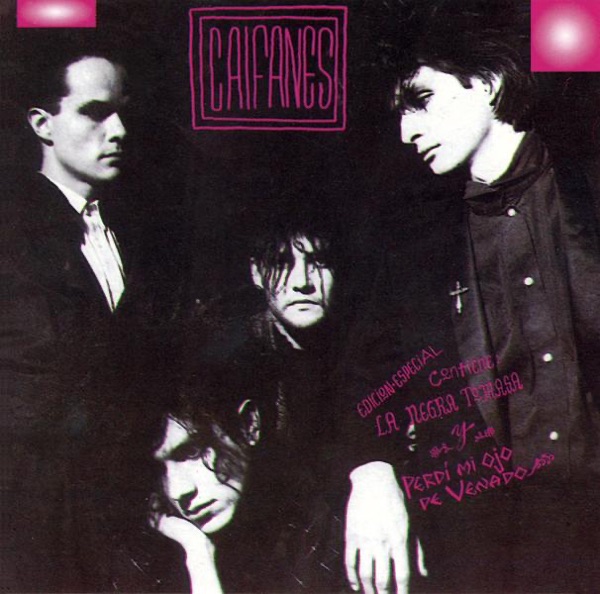
On March 11, 1981, on the street of dreams in Mexico City, a group of young guitarists and a singer named Saúl Hernández gathered in a rehearsal room and began what would become a sonic revolution. The name “Caifanes” emerged from a play on words between “caí” and “fanes,” a kind of “what’s up, people.” The sound they produced on that first day already showcased a blend of rock with influences from traditional Mexican music, something that at first seemed like a risky gamble.
With the debut album “El Diablito” (1985) the band entered the arena. Songs such as “La Negra Tomasa” and “La Negra” displayed a style that mixed blues with Latin rhythms and a guitar that seemed to speak simultaneously with the electric guitar and the accordion. The next album, “El Silencio” (1988), solidified their identity with tracks like “La Negra” and “El Humo.” Later, “El Silencio” and “El Silencio” were accompanied by “El Silencio” and “El Silencio.” The final phase, before the split in 1995, brought “El Silencio” with “El Silencio.” The combination of powerful riffs and poetic lyrics made the audience feel as if they were inside a story unfolding in real time.
Caifanes’ influence transcends Mexican rock. Their lyrics, which often revolve around identity and nostalgia, resonated with generations seeking an authentic sound. The group received awards such as the Latin Grammy for Best Performance of the Year and the MTV Award for Best Rock Band. Although the band disbanded in 1995, Saúl Hernández’s music and that of his companions remains relevant, and live concerts still attract young people who, with the same energy as in the '80s, feel that music can change the world.