💿 Discography
📖 Biography
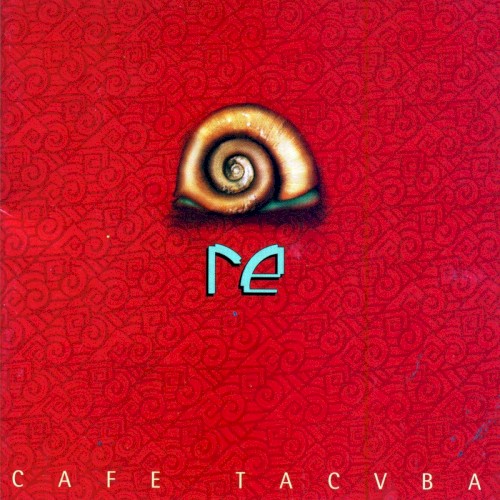
On September 22, 1994, at the Teatro Metropolitan in Mexico City, four guys with flannel shirts and work boots took the stage. They didn't bring loud guitars or protest lyrics. Rubén Albarrán, with his old-soul voice, started singing while the audience — half rockers, half families — remained still, as if someone had pressed the pause button in the room. That night, they not only presented Re: they were demonstrating that Spanish-language rock could be something else. Something dirtier, wiser, more Mexican.
Café Tacvba was not born to fit in. Formed in 1989 in Satélite, a middle-class neighborhood in the capital, when Joselo Rangel (guitar), Emmanuel del Real (keyboards), Quique Rangel (bass), and Rubén Albarrán (vocals) decided that punk, bolero, cumbia, and huapango could coexist on the same record. It wasn't fusion for fusion's sake: it was necessity. "If we wanted to sound authentic, we had to steal from everything we liked," Joselo said in an interview years later. And they did.
The album that changed everything (and nobody saw it coming)In 1994, when Re arrived in stores, Latin rock was in full swing. Caifanes was filling stadiums with their gothic rock, Maná was selling millions with pop-rock ballads, and Soda Stereo was dominating the southern continent. But Re sounded different. It wasn't a rock album: it was a collage. There was La ingrata, with its guitar riff that seemed to come from a Veracruz cantina, mixed with 80s synthesizers. Or El aparato, where Quique Rangel's drums imitated the rhythm of a sewing machine while Rubén rapped as if he were in a tianguis. "It's the White Album of Mexican rock," critic Enrique Blanc once said, and he wasn't exaggerating.
The curious thing is that Re wasn't an immediate success. It didn't have a radio hit like Maná's Oye mi amor or an MTV music video. It was sold mouth-to-mouth, cassette-to-cassette, among those who were looking for something that didn't sound like everything else. Today, 30 years later, it's still the album that every Latin American musician under 40 has on their list of "albums that made me want to make music".
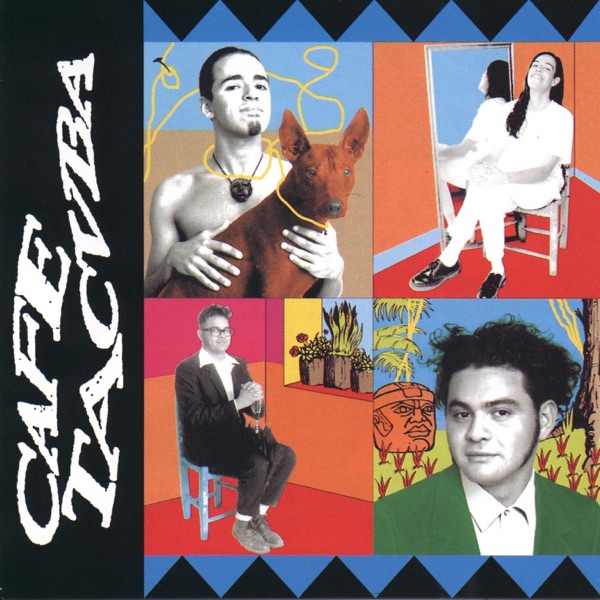
From punkies to chroniclers of a countryCafé Tacvba's early years were chaotic. In 1992, they released Café Tacvba, a raw, almost punk album, where songs like María sounded like they were recorded in a garage with a beer can as a microphone. But even in that debut, there were hints of what was to come: the obsession with traditional sounds (Pinche Juan, with its norteño accordion) and Rubén Albarrán's ability to sing like an angel and a demon in the same verse.
With Avalancha de éxitos (1996), the band took an unexpected turn: they covered Mexican classics like La llorona or El son de la negra, but with a punk attitude. It wasn't nostalgia: it was appropriation. "We didn't want to make a nice covers album," Emmanuel del Real explained. "We wanted them to sound like we had heard them in a bad bar at 3 am." And it worked. Their version of Chilanga banda — originally by Jaime López — became a generational anthem, a song that young people chanted as if it were their own.
But where Café Tacvba demonstrated their true mastery was in their ability to portray Mexico without falling into easy folklore. Songs like Eres — a ballad that seems written in a high school notebook but hides one of the most universal lyrics about love — or El baile y el salón — a theme that sounds like a town party but talks about urban loneliness — are examples of how the band managed to capture the essence of a country in transition. "We're not chroniclers, but we are witnesses," Rubén Albarrán said in 2019. "And sometimes, without wanting to, you end up telling everyone's story."
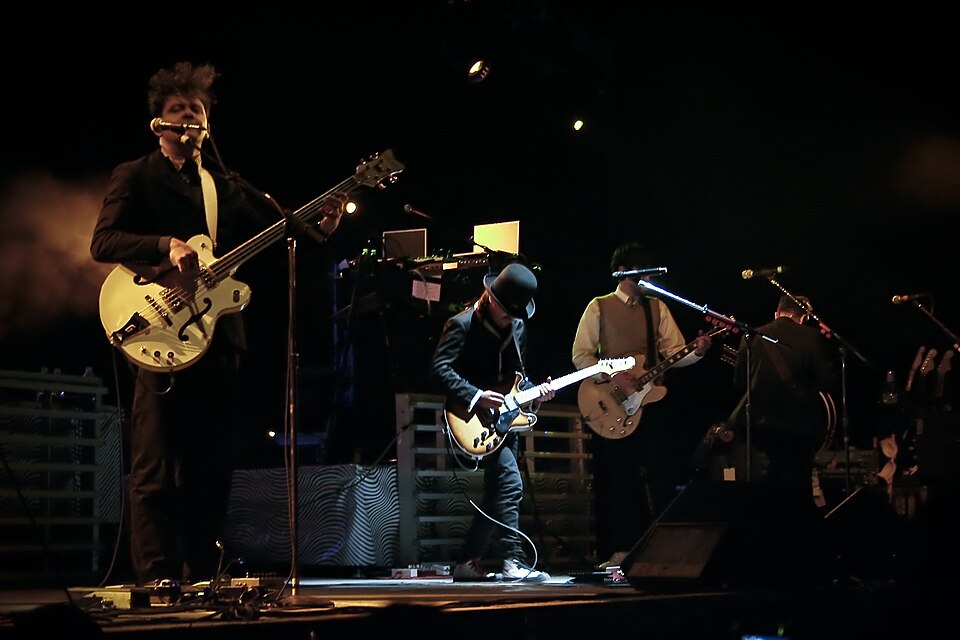
The ritual of concertsSeeing Café Tacvba live is not a concert: it's a collective experience. There are no choreographies or pyrotechnics. What there is is communion. Rubén Albarrán — who in recent years has adopted characters like Cone Cahuitl or Rita Cantalagua — moves across the stage like a modern shaman, changing his voice and attitude with each song. In Las flores, the audience is silent; in Ingrata, everyone jumps as if the world were ending. And in El baile y el salón, the band transforms into a town orchestra, with Quique Rangel playing the bass like a mariachi contrabass and Emmanuel del Real juggling keyboards, jarana, and accordion.
The most impressive thing is how they manage to make each concert different. In 2022, at the Auditorio Nacional, they played Re in its entirety for the first time in 28 years. It wasn't a simple exercise in nostalgia: it was a masterclass in how a band can reinvent their own material. La ingrata sounded more electronic, El aparato more industrial, and Las flores... Well, Las flores always sounds just as moving, as if time hadn't passed.
The legacy: more than a band, a languageToday, Café Tacvba is much more than a rock band. It's a cultural reference point. Their influence can be seen in bands like Zoé, who inherited their love for experimentation, or in artists like Natalia Lafourcade, who took from them the idea of mixing traditional with modern. Even in reggaetón, there are traces of their DNA: Bad Bunny has cited Café Tacvba as one of his influences, and it's not hard to hear echoes of El baile y el salón in some of his beats.
But their greatest achievement is not the awards (although they have a Latin Grammy and several Premios Oye), nor the sales (their albums have surpassed a million copies), nor even the fact that they're the only Mexican band to have played at the Glastonbury Festival. Their true legacy is having created a sound that doesn't sound like anything else. A sound that is, at the same time, deeply Mexican and universal.
In 2024, when the band announced a tour of Latin America, tickets sold out in hours. It's no coincidence. In a world where music often sounds more and more homogeneous, Café Tacvba remains a reminder that identity is not something you inherit, but something you build. And they, with their out-of-tune guitars, their 80s synthesizers, and their lyrics that talk about love, loneliness, and partying, have done it better than anyone.
As Rubén Albarrán said in an interview: "We didn't save Mexico. But maybe, without wanting to, we gave it a sound." And they did.