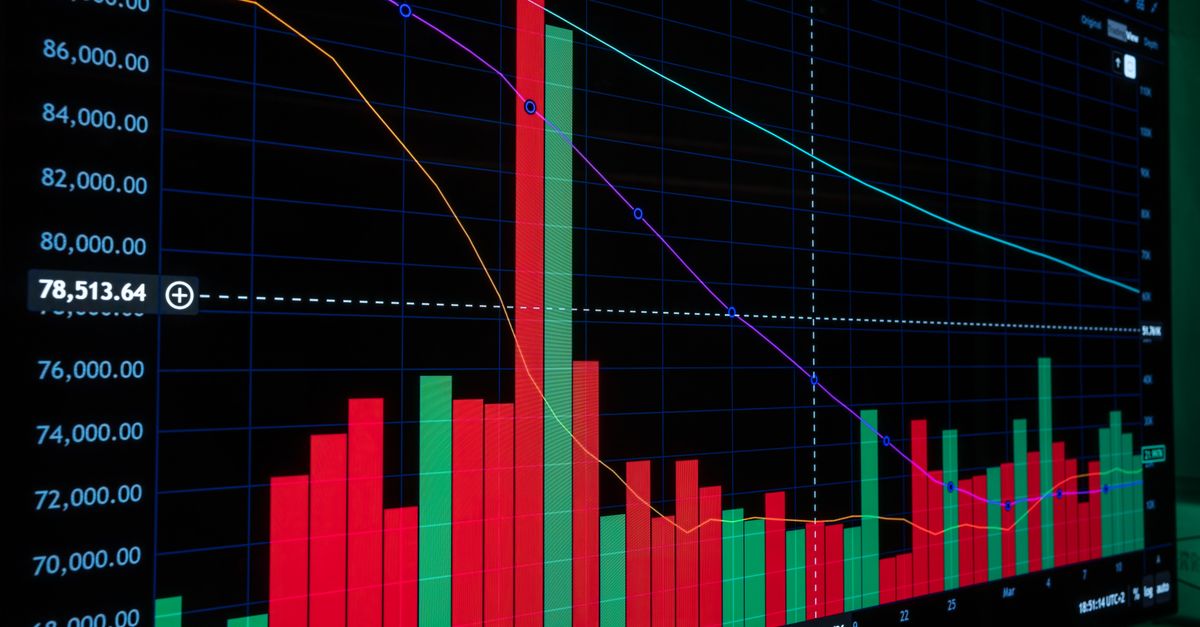
The first spike in oil prices since early February was a surprise to traders when the United States and Iran announced a preliminary agreement to end a multi‑year conflict. The news arrived on a Friday, just before the signing session, and sent the benchmark Brent crude down 3.5 percent to $70.40 a barrel, while U.S. West Texas Intermediate slid 3.2 percent to $66.90.
For investors, the drop represents a tangible easing of geopolitical risk. The Strait of Hormuz, through which about 20 percent of the world’s oil passes, has been a flashpoint for tension. A reduction in hostilities promises fewer disruptions to shipping lanes and a softer demand forecast for the energy‑heavy summer months.
Yet the agreement is still fragile. Reuters reports that the deal’s scope is limited to a temporary cessation of hostilities, with no definitive timeline for a permanent cease‑fire or a full‑scale diplomatic settlement. The deal also leaves unresolved issues such as sanctions relief and Iran’s compliance with nuclear non‑proliferation commitments. Until those pillars are solidified, market participants remain wary.
Economists note that oil pricing is highly sensitive to both supply disruptions and supply‑side policy. A brief pause in conflict can trigger a rapid reassessment of risk premiums, as seen in the overnight decline. However, the market’s reaction also underscores the weight of the Hormuz corridor in global energy calculations. Any sudden flare‑up could reverse gains within hours.
The broader economic implications stretch beyond the barrel. Lower oil prices reduce transportation and manufacturing costs, potentially stoking growth in emerging markets that rely heavily on oil imports. Conversely, oil‑exporting economies may feel a shortfall in revenue, impacting fiscal balances.
Looking ahead, analysts suggest that the key to sustained price stability lies in the durability of the cease‑fire and the international community’s ability to enforce sanctions against non‑compliant actors. The United Nations and European Union are already preparing contingency plans to monitor the situation closely. Should Iran resume aggressive actions, the market could retrace the gains seen today.
For now, the slide in oil prices stands as a reminder that geopolitical events can move markets almost instantly. Traders will keep a close eye on the forthcoming signing ceremony, where the technical details of the agreement will be laid out. If the deal holds, it could herald a period of relative calm for the energy sector, but the specter of renewed tension in the Middle East remains a constant undercurrent.