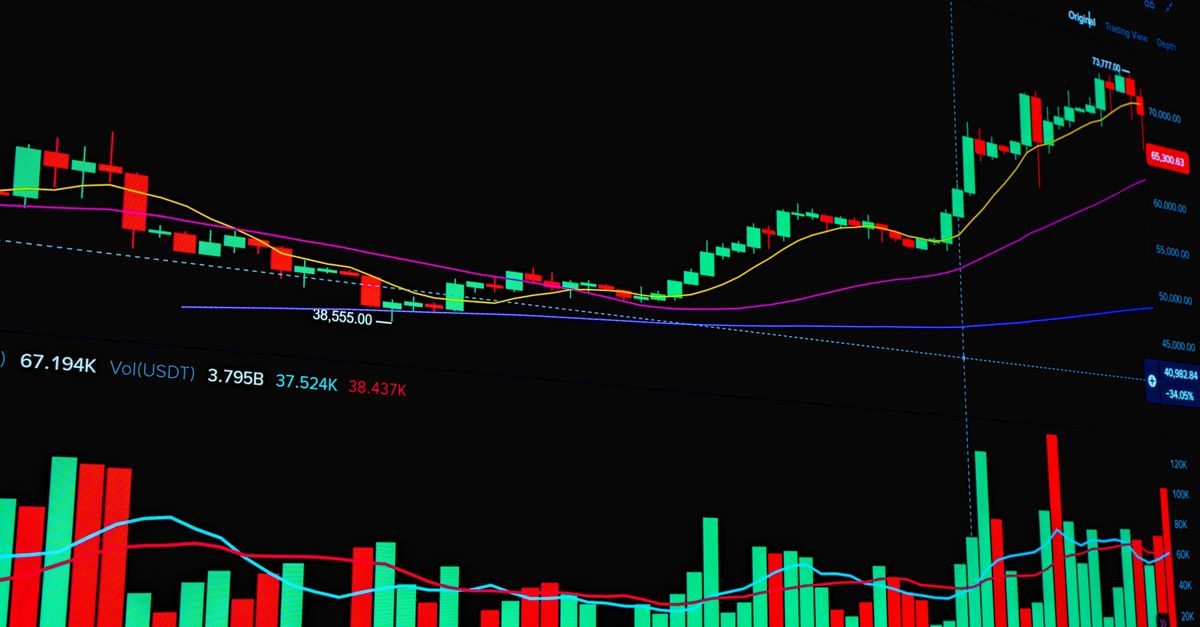
In the last trading session, a surge of Federal Reserve rate‑hike bets rattled the technology sector, sending a wave of sell‑offs through AI‑focused stocks. The ripple reached even the most optimistic valuations, as investors recalibrated expectations for growth‑driven firms amid a tightening monetary environment.
Market participants had been riding an AI rally for months, buoyed by breakthroughs in generative models, cloud adoption, and enterprise automation. Earnings releases and product launches had reinforced the narrative that artificial intelligence would drive sustained revenue expansion. Yet, the latest Fed‑related chatter—highlighting a possible acceleration in policy tightening—prompted a rapid shift. Traders began discounting future earnings, arguing that higher borrowing costs could slow capital expenditures and delay AI deployments.
Analysts note that the sector’s sensitivity stems from its heavy reliance on discount‑rate models. When the Fed signals a tighter stance, the present value of projected cash flows contracts, eroding the premium investors are willing to pay. Even companies with solid fundamentals and diversified revenue streams are not immune; the market’s collective risk appetite is the decisive factor.
Beyond the headline numbers, the sell‑off reveals deeper economic undercurrents. Inflationary pressures persist, and the labor market remains robust, nudging the Fed toward a more aggressive stance. The tech sector, often seen as a bellwether for innovation, now reflects broader macroeconomic anxieties. Investors are weighing whether the current AI boom can withstand a higher‑rate environment without compromising long‑term growth trajectories.
For companies, the reaction offers a double‑edged sword. On one side, reduced valuations could create a window for strategic acquisitions or share repurchases. On the other, diminished investor enthusiasm may constrain capital raising efforts and delay product rollouts. Firms that can demonstrate resilience—through diversified income streams or cost discipline—may weather the downturn better than those heavily reliant on continuous capital inflows.
Looking ahead, the sector’s recovery will hinge on the Fed’s policy path and the persistence of AI demand across industries. If rate hikes plateau or reverse, the technology rally could resume, but the current volatility suggests that investors will remain cautious. The episode underscores the fragile balance between monetary policy and growth equity performance, reminding stakeholders that even high‑tech sectors are not insulated from macroeconomic shifts.