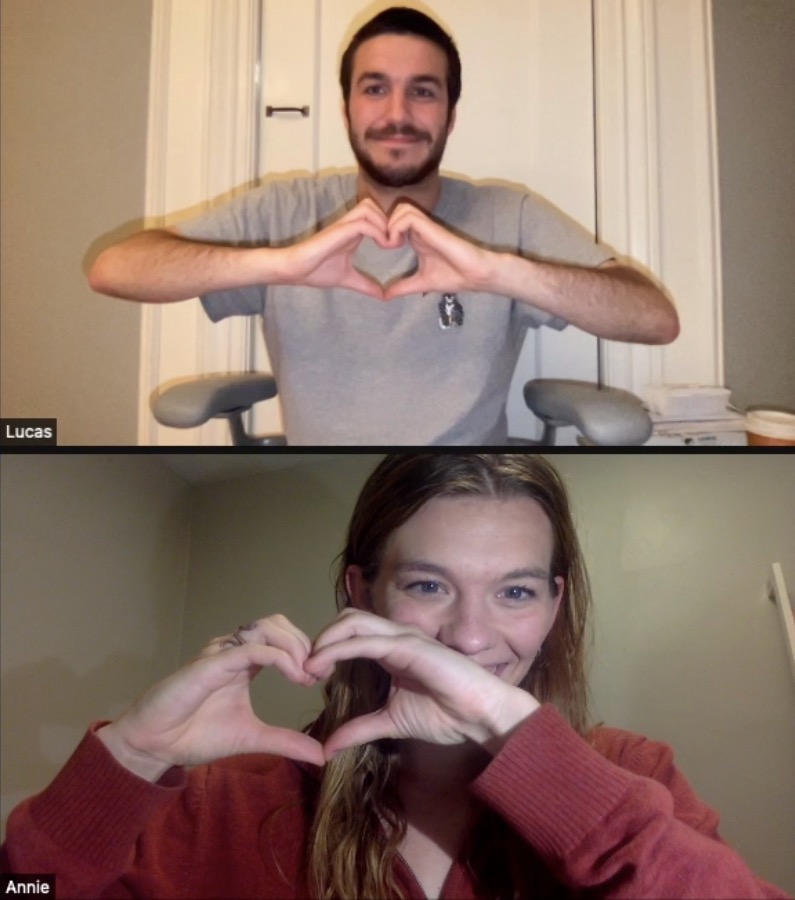
Every relationship has difficult moments. The difference between a healthy and toxic relationship is not the absence of conflict — it is how conflict is handled and how each person feels over time.
Signs of a healthy relationship
In a healthy relationship, both people feel safe to express their opinions without fear of punishment. Disagreements happen, but they are resolved with respect. Each person maintains their own identity, friendships and interests. Both partners support each other's growth, even when it is inconvenient.
Healthy relationships have trust built on consistent behaviour over time, not just words. Both people feel heard and valued. Apologies are genuine and followed by changed behaviour.
Warning signs of toxicity
Toxic patterns often build gradually. Watch for: one partner constantly criticising, belittling or humiliating the other; extreme jealousy justified as love; controlling behaviour around friends, money or movement; stonewalling or silent treatment as punishment; and gaslighting — being told your perceptions are wrong.
Physical, emotional or financial abuse are clear red lines. Less obvious but equally damaging are chronic contempt, unpredictable emotional swings that keep you walking on eggshells, and a consistent feeling that you need to shrink yourself to keep the peace.
The grey zone
Many relationships fall somewhere in between. A relationship can have toxic patterns without being irredeemably toxic — if both people recognise the problem and commit to changing. Couples therapy is genuinely effective for this, but only if both partners are willing.
The most important question
Ask yourself honestly: does this relationship make me a better or worse version of myself? Do I feel safe being who I am? The answer usually tells you what you need to know.