💿 Discography
📖 Biography
The Forgotten Genius: Antonio Vivaldi, the Composer Who Revolutionized Baroque Music
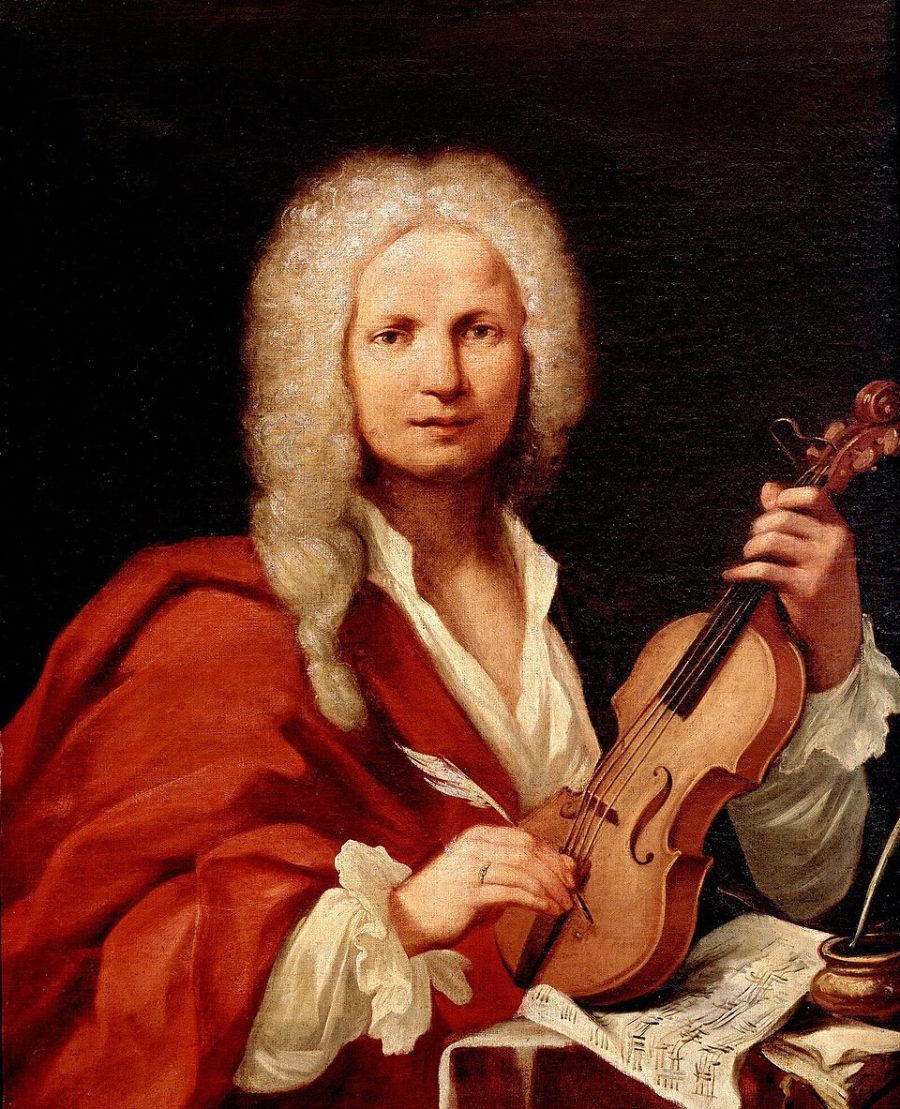
The church of San Giovanni in Bragora in Venice witnessed a moment that would change music history. In 1693, a fifteen‑year‑old Antonio Vivaldi stepped onto the stage and began playing the violin with a passion and energy that left the congregation speechless. Son of a barber who was also a musician at the cathedral of San Marco, Vivaldi grew up surrounded by scores and sermons, but it soon became clear that his true vocation was not the priesthood, despite being ordained in 1703, but music.
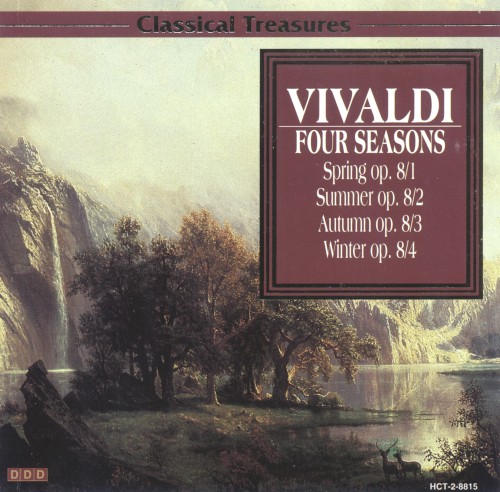
He was called *il Prete Rosso* because of his red hair, but that nickname hid something more: a genius who, between masses and lessons at the Pietà orphanage, was about to blow the limits of Baroque music. Vivaldi didn’t compose for kings or for posterity, but for the orphaned girls of the Ospedale della Pietà, where he taught violin. There his most daring works were born: *Las cuatro estaciones* (1725), four violin concertos that depict winter, spring, summer, and autumn with a mind‑blowing precision —the birdsong, the icy wind, the suffocating heat—.
His style was pure fire: frantic rhythms, melodies that lodge themselves in your head, and an obsession with the violin that led him to write more than 500 concertos. He wasn’t a salon composer; he was a guy who packed storms into scores and made musicians sweat profusely. And although today we associate him with elevator "classical" music, in his time he was the equivalent of a rock star: controversial, innovative, and with a legion of fans among the Venetian ladies.
A Legacy That Transcends Time
Today, *Las cuatro estaciones* can be heard in car commercials, in Tarantino movies, and even in heavy‑metal versions. Yet, in the 18th century, Vivaldi died in poverty, forgotten in Vienna. The irony is that without him, Bach wouldn’t have been the same —he copied several of his concertos— and Italian Baroque would lack that electric sparkle. He didn’t win awards or have statues in his lifetime, but his music remains, defying time like a violin that refuses to be silent.
If you’ve ever played *La primavera* and felt the world pause, you now know what it’s all about: Vivaldi didn’t compose notes, he composed emotions. His music is a journey through the seasons, a tour of nature and the human condition. It’s a reminder that sometimes what seems forgotten can be what most makes us remember who we are and where we come from.
Vivaldi’s Influence on Contemporary Music
Vivaldi’s influence on today’s music is undeniable. From rock concerts that borrow his melodies to film soundtracks inspired by his works, Vivaldi is a composer who lives on in today’s music. His innovative style and his ability to evoke emotions through music have made his legacy transcend time and continue to inspire new generations of musicians and composers.
Antonio Vivaldi was a composer who revolutionized Baroque music with his innovative and emotive works. Although he died in poverty and was forgotten, his legacy lives on in today’s music, and his influence can be heard across all kinds of genres and styles. His music is a reminder that sometimes what seems forgotten can be what most makes us remember who we are and where we come from.