
💿 Discography


📖 Biography
The first chord of *Otro Trago* sounds in a bar in Madrid at three in the morning. There's no choreography, no neon lights, no army of dancers. Just a deep voice that slips between the cigarette smoke and the smell of spilled beer, repeating that phrase *"Dímelo, Flow, I'm going to have another drink"*. People don't sing: they howl. They don't dance: they sway as if the floor is moving beneath their feet. That's the magic of Sech. He's not the loudest, nor the most flashy. He's the one who makes reggaetón sound like a confession, something intimate even when 50,000 people are listening in a stadium.
He was born in Río Abajo, a neighborhood in Panama where the asphalt smells of gunpowder and nights stretch out between dominoes and bottles of Seco Herrerano. He wasn't a child prodigy. While other artists of his generation were signing contracts before they turned twenty, he was delivering orders on a motorcycle, dreaming of being a soccer player, and recording songs on SoundCloud like he was sending a voice message: without pretensions, but with a naturalness that hooked people. "Reggaetón wasn't a genre for me, it was the sound of my home," he's said in interviews. And it shows. In his music, there's no posturing, just that slow, almost hypnotic cadence, like each song is a whisper in someone's ear who's already dancing before the music starts.
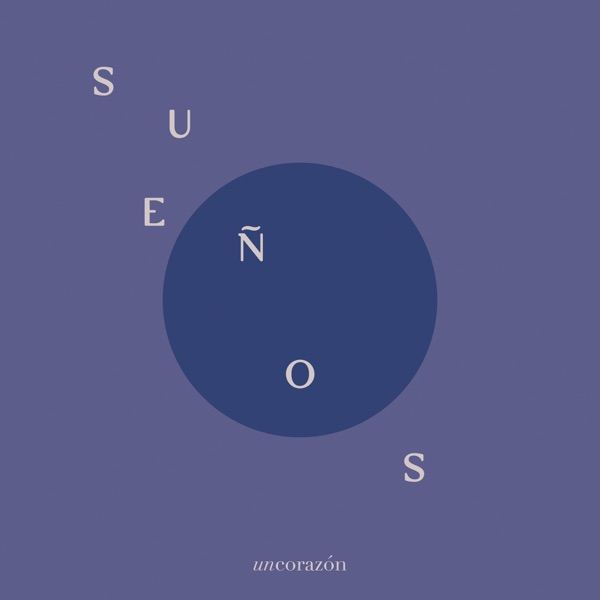
From delivery guy to king of *slow reggaetón*Success didn't come overnight. *Sueños* (2018), his first album, passed without much fanfare. But in 2019, *Otro Trago* changed everything. The song, produced by Dímelo Flow and featuring Darell on the chorus, wasn't just a song: it was a ritual. That phrase *"I'm going to have another drink"* became the mantra of a generation that dances with their feet on the ground and their heads in the clouds. The video surpassed a billion views on YouTube, and suddenly, Sech stopped being "the guy from Panama" to become a global phenomenon. The curious thing is that he didn't reinvent the wheel. He took classic reggaetón, removed the excess autotune, added a touch of dancehall, and wrapped it in a smoky atmosphere. The result was something new without seeming forced.
His subsequent albums, *1 of 1* (2020) and *42* (2022), confirmed that he wasn't a one-hit wonder. Songs like *Relación* or *Sal y perrea* showed that his formula — slow rhythm, lyrics that oscillate between the romantic and the street, and that voice that seems made for sleepless nights — had something addictive. He's not the most technical artist, nor the one who experiments the most. But he has what few others have: a recognizable style in the first five seconds of any song. "I'm not the best rapper, but I know how to make people feel," he said in an interview with *Billboard*. And he achieves it.
Panama on the map (again)Before Sech, Panamanian reggaetón lived in the shadow of Puerto Rico and the Dominican Republic. Yes, there was El General with his 90s classics, but since then, the country had been relegated to the background. Until he came along. With *Otro Trago*, Panama became relevant in the global conversation again. It wasn't a coincidence. Sech understood something that many artists overlook: reggaetón isn't just rhythm, it's attitude. And his — carefree, close, without needing to shout to be heard — connected with an audience tired of the genre's excesses.
Awards came later: a Latin Grammy, collaborations with Bad Bunny and Rosalía, tours through Europe and the United States. But the most interesting thing isn't what he's achieved, but how he's done it. While other artists jump on the fame bandwagon and forget their roots, Sech remains the same guy from Río Abajo. His tattoos — the map of Panama on his arm, phrases in Spanglish — are a constant reminder of where he comes from. "Music is my way of telling stories," he's said. And what stories: of love, of parties, of nights that stretch out until dawn. Stories that, in the end, are everyone's.
The miracle of sounding like summer (even in winter)In a genre saturated with ephemeral hits, Sech has achieved something rare: his songs sound like classics from the first day. He's not the most innovative artist, nor the best-selling one. But he has what few others have: a unique ability to create atmospheres. Listen to *Vacaciones* or *TBT*: they're not songs, they're memories. Memories of summer nights, of spilled drinks, of laughter mixed with the sound of waves. "I want people to feel like they're at a party, even if they're alone in their room," he confessed in an interview. And he succeeds. Because his music doesn't ask you to dance: it invites you to get lost in it.
Today, with several albums on the market and a consolidated career, Sech remains an enigma. He's not the typical reggaetón artist. He doesn't have meticulous choreographies, nor an army of dancers, nor lyrics full of luxury cars. He's simply a guy with a microphone and a voice that seems made to whisper in the ear of half the world. And that, in a genre where everyone shouts, is almost an act of rebellion.
Next summer, when that first chord sounds in a party, in a bar, or on a phone's speaker, there will be two types of people: those who dance without knowing why, and those who smile because they know exactly what they're listening to. A piece of Panama, a whisper of reggaetón, and proof that, sometimes, the most powerful thing isn't volume, but intensity.