💿 Discography
📖 Biography
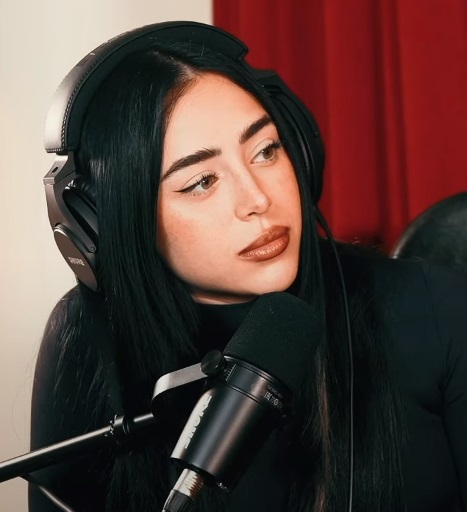
On August 8, 2019, Spotify Argentina updated its *Top 50* list. Among the usual names —Duki, Cazzu, Paulo Londra—, an unknown 18‑year‑old appeared with a track called Wapo Traketero. Within 48 hours, the track surpassed a million plays. It wasn’t a coincidence: Nicole Denise Cucco, Nicki Nicole, had just nailed the first hit of a career that, in a matter of months, would lead her to share the stage with Bizarrap, fill stadiums in Mexico, and become the most streamed Argentine artist on digital platforms before turning 20.
Rosario is not Buenos Aires, and that always shows. While the Argentine capital dominated trap with minimalist beats and lyrics about nights with whisky, Nicki arrived with something different: the rhythm of RKT —that sub‑genre that mixes cumbia with electronic music— and the raw attitude of neighborhood trap. It wasn’t just music; it was a sound that smelled of barbecue on the sidewalk, of speakers booming in a local plaza, and of that mix of pride and rebellion that defines interior cities. "RKT is the cumbia of the kids who grew up with the internet," she said in an interview with Rolling Stone. And she was right: in her songs, autotune didn’t sound artificial, but a tool to shout truths that no one else dared to say.
From the bedroom to the algorithm: how Nicki Nicole hacked the industryBefore record labels knew what to do with her, Nicki had already built her own path. She recorded demos at her house in Rosario, uploaded them to YouTube, and let word‑of‑mouth do the rest. When Colocao —her collaboration with Bizarrap on *Music Sessions #13*— went viral, the industry woke up. But she already knew she didn’t need doors opened for her: she broke them down.
Her debut EP, released in 2019, was a missile straight to the heart of Latin trap. Tracks like Mala vida or Diva not only racked up millions of streams; they also proved that a woman could talk about drugs, money, and heartbreak without falling into gender stereotypes. "I’m not the trapper’s girlfriend, I’m the trapper," she sang in Mala vida, and that line became a mantra for a generation of artists who, until then, had to choose between being the "muse" or the "rebel." Nicki didn’t choose: she kept both.
The most interesting part of her success wasn’t the speed —breaking records at 19 is no small feat— but the way. While other artists relied on labels to reach platforms, Nicki understood that the algorithm was her best ally. Her YouTube videos, with DIY aesthetics and improvised choreography, seemed made to be shared on Instagram Stories. Her lyrics, short and direct, fit perfectly into the 15 seconds of a TikTok. And her collaborations —from Cazzu to Trueno— were not marketing strategies, but real connections with other artists who, like her, came from the bottom.
The feminism that doesn’t ask permissionIn a genre dominated by men who sing about women as trophies, Nicki Nicole arrived with a different perspective. She didn’t give speeches; she simply sang her truth. In Mamichula, with Trueno and Bizarrap, she talked about desire without guilt. In Verte, about love without submission. And in Diva, about ambition without apologies. "I’m not a feminist, I’m human," she declared in an interview, and although the phrase sparked controversy, it summed up her stance: she didn’t need labels to say what she thought.
Her authenticity resonated especially among young Latin American women. While other urban artists followed industry molds —retouched photos, lyrics about unattainable luxuries— Nicki showed her life without filters: the dark circles from late‑night recording, homemade tattoos, lyrics that spoke of depression and anxiety. In No toque mi Naik, a track from her second EP, she rapped: "I don’t care if they hate me, I keep my flow / If you don’t like it, you go, it’s not my problem, no." It wasn’t a pose; it was the attitude of someone who had learned to navigate a world that wasn’t made for her.
What’s next for Nicki Nicole?In 2023, with over 20 million monthly listeners on Spotify, Nicki Nicole is no longer a promise: she is a reality. But the challenge now is different. Argentine trap has changed: Duki moved to pop, Cazzu explores more experimental sounds, and the RKT she helped popularize is no longer a novelty. How does an artist reinvent herself after achieving everything before 25?
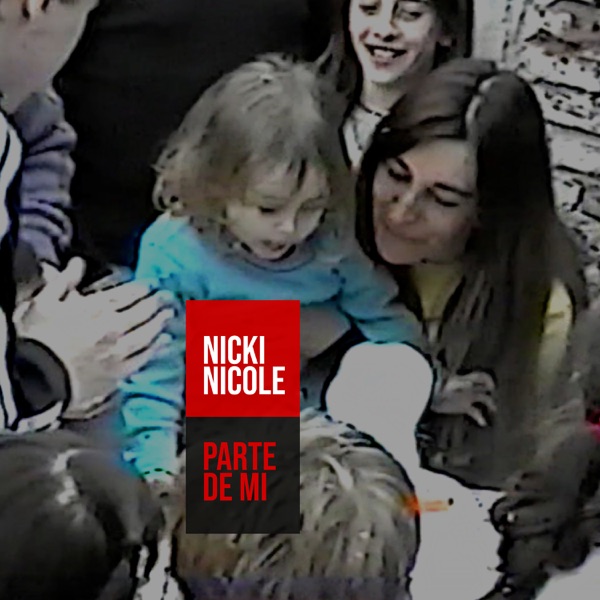
For now, the clues are in her latest work. In Parte de Mí, her 2022 album, there is less trap and more introspection. Tracks like No voy a llorar or Tuyo show a more vulnerable Nicki, away from the "tough" persona that made her famous. She has also explored other genres: in Mientr3s, with Tiago PZK, she approaches urban pop, and in Ya no, with María Becerra, she plays with romantic balladry. These are not calculated moves; they are the steps of someone who understands that music is not a genre, but a language.
What hasn’t changed is her essence: that mix of Rosario and globalization, of neighborhood and algorithm, of attitude and melancholy. Nicki Nicole is not just an artist; she is a symbol of what happens when talent collides with the internet at the right moment. And the best part is that, unlike other viral phenomena, she seems to know that this is not the end, but the beginning.
As she said in an interview: "I didn’t come to stay. I came to stay forever." And for now, the numbers prove it.