💿 Discography
📖 Biography
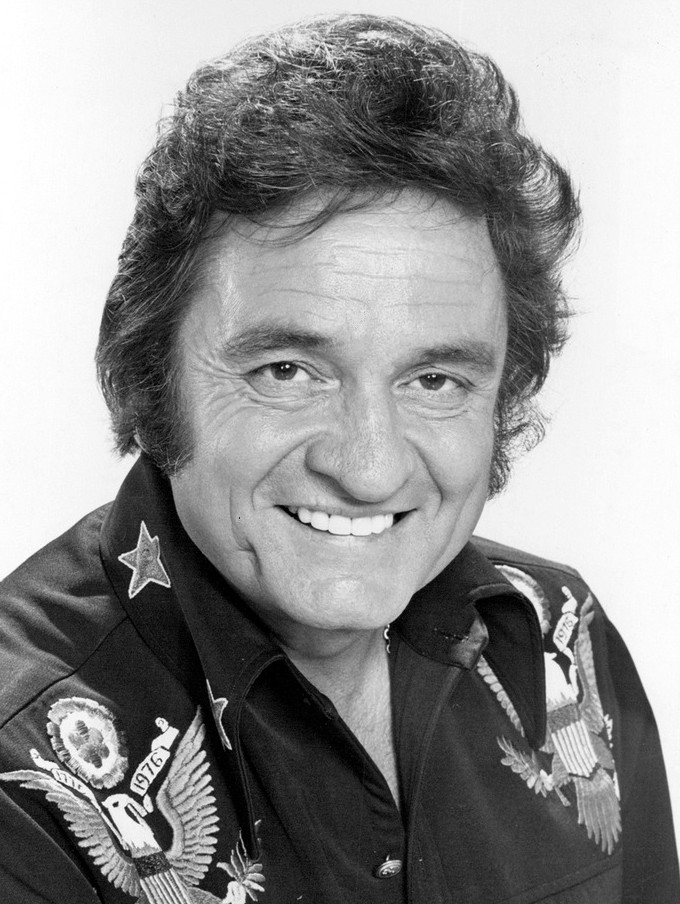
Johnny Cash: The Voice Who Sang to the Darkness
In the heart of the Great Depression, in Kingsland, Arkansas, Johnny Cash was born in 1932. His childhood was marked by poverty and work in the cotton fields from the age of five. However, it was radio that opened a world of possibilities for him, listening to gospel and country that transported him to a place far from the misery surrounding him. At age 12, he wrote his first song, inspired by the tragedy of his older brother’s death in a saw accident. This event marked the beginning of a musical career that would make him one of the most authentic and emotional voices in American music.
At 18, he joined the Air Force, where he learned to play guitar. After his service, in 1954, he moved to Memphis with his wife, Vivian, and a demo he hoped would launch him to fame. It was Sam Phillips, the discoverer of Elvis, who gave him the chance to record at Sun Records. Cash did not disappoint: his first single, *Hey Porter*, already displayed the power of his voice, comparable to a freight train resonating with strength and authenticity.
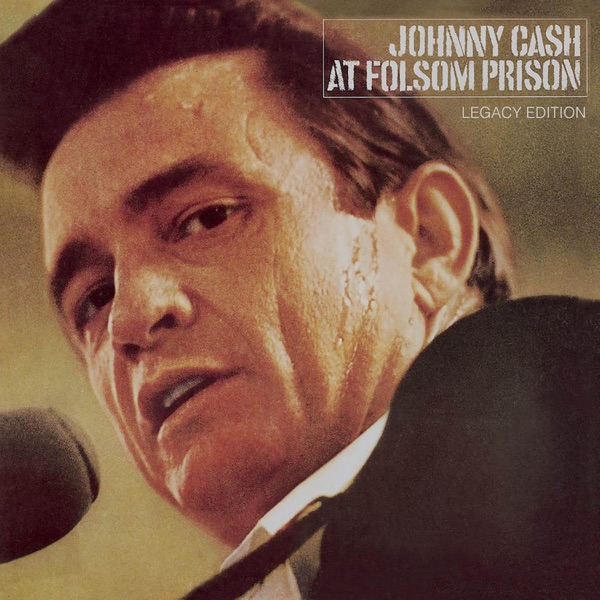
Cash’s career took off in the ’50s and ’60s, blending country, rockabilly, and folk with lyrics about prisoners, lost loves, and redemption. *Folsom Prison Blues* (1955) made him the poet of the forgotten, and *Ring of Fire* (1963), written by his then‑partner June Carter, reached number one with its peculiar mix of country and mariachi, creating a bittersweet party atmosphere. But Cash didn’t limit himself to hits: albums like *At Folsom Prison* (1968) and *At San Quentin* (1969) showed that his deep, cracked voice could fill a stadium or a prison yard with an unforgettable presence. Dressed in black, he said it was "for the poor and the defeated," and his music sounded like truth, even as he fought his own demons, such as amphetamine addiction.
In the ’70s, when country became more commercial, Cash retreated to gospel and collaborations with artists like Bob Dylan. However, in the ’90s, he resurfaced as a ghost of the past thanks to Rick Rubin, who brought him back for *American Recordings* (1994), a stark and emotional record, just guitar and voice, where he covered Nine Inch Nails with *Hurt* and left half the world with eyes wide open. This version of *Hurt* is especially moving, as Cash, with his time‑worn voice, delivers the song with a depth and emotion that make it his own, speaking of a pain and desperation that transcend generations.
Cash died in 2003, but his legacy lives on. He won 12 Grammy Awards, was inducted into the Country Music Hall of Fame and the Rock Hall of Fame, and even rappers cite him as an influence. His music is not only a reflection of his era, but also speaks to universal themes that continue to resonate today. His authenticity and his ability to sing to the darkness without slipping into cheap melodrama make him a symbol of authenticity in a genre that sometimes drowns in commercialization. Cash’s voice remains a voice that speaks directly to the soul, reminding us that even in the darkest moments, there is beauty and truth in music that can shake us and make us reflect on our own human condition.
Selected Discography
- *Hey Porter* (1955)
- *Folsom Prison Blues* (1955)
- *Ring of Fire* (1963)
- *At Folsom Prison* (1968)
- *At San Quentin* (1969)
- *American Recordings* (1994)
Awards and Recognitions
- 12 Grammy Awards
- Inducted into the Country Music Hall of Fame
- Inducted into the Rock Hall of Fame
Johnny Cash’s music is a testament to his life, full of highs and lows, but always authentic. His legacy continues to inspire new generations of musicians and fans, ensuring that his voice remains heard and appreciated for a long time.