💿 Discography

📖 Biography
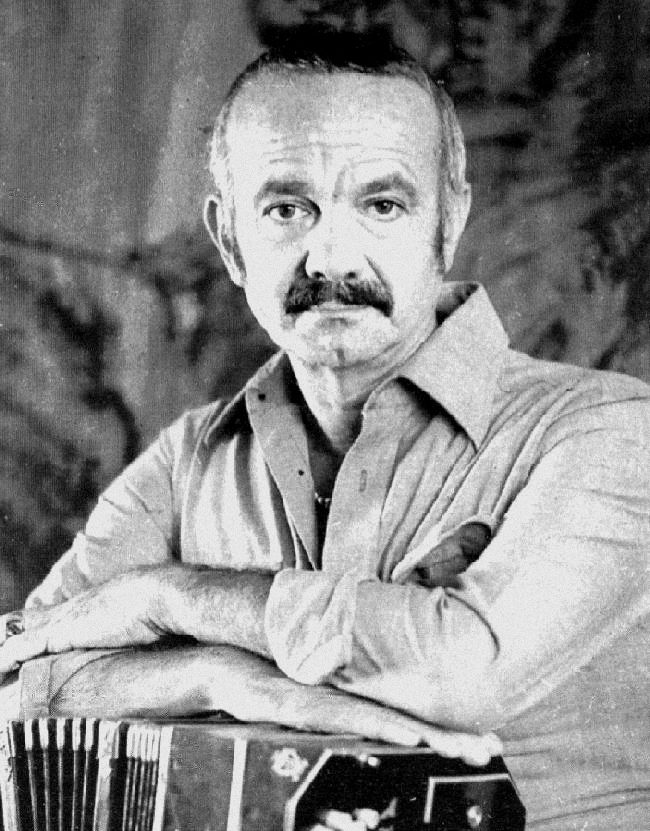
The first time I heard Libertango, it took my breath away. It was as if tango had taken on a life of its own, merging with jazz and classical music to create something entirely new. It was 1990 and Astor Piazzolla, the Argentine genius who had revolutionized tango, was at the height of his career. His vision of tango, which incorporated elements of contemporary music, was initially rejected, but eventually came to be recognized as a definitive artistic revolution.
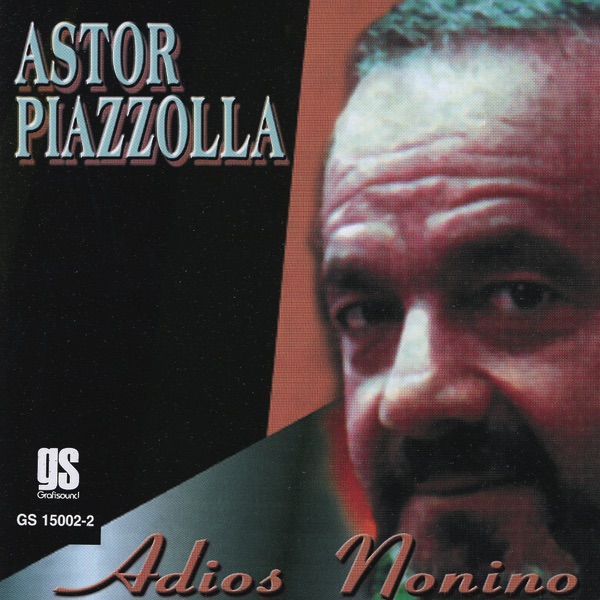
Astor Piazzolla was born in Mar del Plata in 1921, but his childhood unfolded in the Bronx, New York. This blend of cultures and musical genres that surrounded him from an early age was key to his later innovation in tango. Works such as Adiós Nonino, Libertango and Verano porteño (part of the "Cuatro Estaciones Porteñas") are among the most exciting moments of 20th‑century popular music. His ability to condense all the melancholy and passion of traditional tango into a modern language is unique. Libertango is probably the most recognized tango composition in the world.
A legacy that transcends bordersDeceased in 1992, Piazzolla left a legacy that grows with each passing year. His compositions are performed by jazz, classical, pop and electronic artists worldwide. He is the most internationally performed Latin American composer of the 20th century. His influence can be heard in the music of artists across the entire musical spectrum, from traditional tango performers to electronic music producers.
Piazzolla's versatility is partly due to his ability to fuse different styles and genres. His "nuevo tango" not only incorporated elements of jazz and classical music, but also found a balance between tradition and innovation. This has allowed his compositions to be reinterpreted in many diverse ways, preserving their essence while also acquiring new nuances.
In Spain, his pieces remain part of the soundtrack for many tango enthusiasts and music lovers in general. In Latin America, his legacy runs even deeper, being regarded as one of the region's greatest composers. In the United States and Europe, his works continue to be studied and performed by musicians of all kinds.
Over time, recognition of Piazzolla has continued to grow. Today, he is seen not only as an innovator of tango, but as a visionary who expanded the boundaries of popular music. His story, his music, and his legacy continue to inspire new generations of musicians and listeners.